


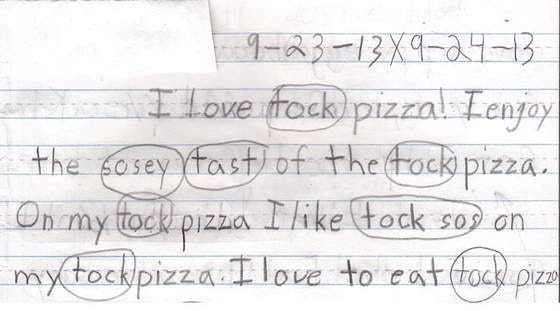
In this past week: The New York Times published a blind taste-test/quiz of AI vs. human writing and found that 54% of quiz-takers preferred AI writing to human writing. The Wall Street Journal declared spelling mistakes as the new status symbol. And Artnet covered the opening of an exhibition at Yale titled: “Oops, Typo!” that celebrates 500 years of printed errors.
Where proof-reading was once a virtue, the intentional defiance of grammatical convention is now a stamp of authenticity. Should we tolerate spelling mistakes as a form of AI-resistance? Or are we just lazy?
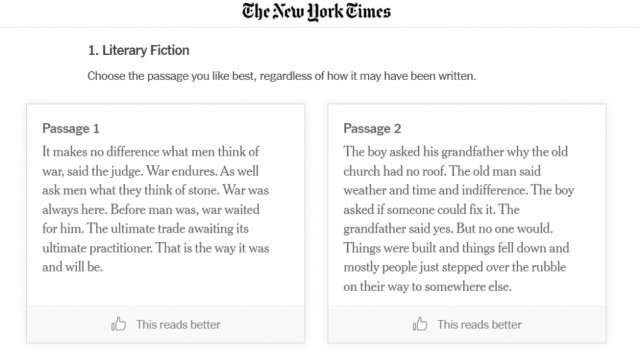
At first glance, the NYT survey results seemed to confirm many of our existential suspicions. Technology seems to be creeping up to our craft. But the study clarified that, when quiz-takers were made aware of what’s handwritten vs. AI-generated, most preferred the version with a human touch. This made me think: could the sheer fact that something is human-made alone make something more value?
We already pay a premium for things that weren’t touched by machines:
Sourdough loaves: the best loaf I’ve ever had was from the trunk of a Honda civic parked behind a Shell (People buy bike weed, I partake in gas station sourdough).
Farmer’s markets: real tomatoes make supermarket fruit taste like water.
Pottery and handcrafted accessories: each is different from the other
Kemo Sabe cowboy hats in Aspen: okay maybe not ALL of us pay for this


Develop style in intentional mistakes
In my lengthy rant last week, we talked about how AI only produces consensus. This doesn’t mean that AI only writes in some generic voice: you can generate an excerpt in the style of someone famous. Two years ago, Sarah Silverman sued OpenAI for using her material to train ChatGPT (among many others). Just a few days back, Grammarly got sued for presenting edit suggestions in the style of established authors/academics. AI is capable of some stylistic deviation, it just isn’t able to create style.
I’d like to think that ChatGPT will never know the joy of a sly double entendre.

A writer’s greatest gift is being able to use the wrong words the right way
None of the memorable pieces of writing I’ve read recently are textbook versions of their form. Sally Rooney is allergic to punctuation. Hanya Yanagihara likes to repeat things. Anne Carson turns the academic essay on its head.
Going against consensus (in this case, literary convention) takes agency. No matter how many AI agents are deployed, being truly ‘agentic’ is still reserved for those with flesh and bone. Sam Kriss, concurs. In his Harper’s essay on San Francisco, Kriss insists: “the highly agentic are people who just do things… in tech interviews, it’s common for candidates to be asked whether they’re “mimetic” or ‘agentic.’”

Isn’t the willingness (or even just the tendency) to break rules, what makes us fundamentally human? Take Chris Fleming for example. They’ve never once adhered to expectations and I’m never not entertained.
The flatness of automatons
I recently spiraled over a pitch I sent an editor I work closely with1 because I used bullet points and the “it’s X, not Y” sentence structure. I honestly didn’t know they were textbook AI-slop signs. To clarify, I HANDWROTE this pitch. It just happened to sound like AI. My life flashed before my eyes: could this my new reality… worrying about whether I’ve unintentionally inherited an AI-accent?
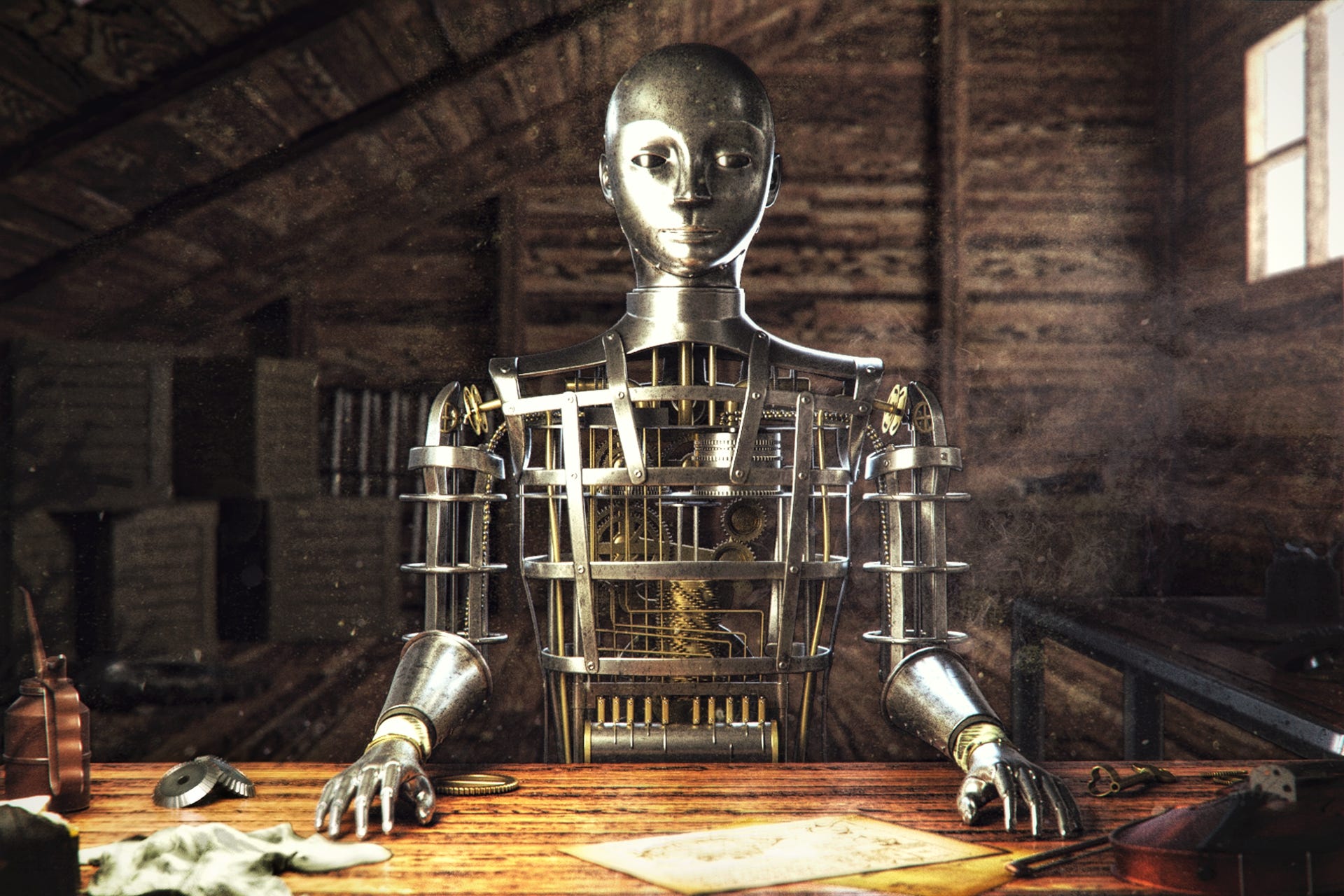
A few days ago, The Atlantic compared our AI-crisis to Edwin Votey’s invention of the player piano 130 years back:
“By the early 1900s, player pianos had evolved to more fully reproduce a human performance, including subtle dynamics like tempo changes and the introduction of a damper pedal. The human role went from deskilled to fully deprecated as electric motors replaced foot-powered bellows. With the Seeburg Lilliputian Model L, the only job left for humans who wanted to play the piano in the 1920s was to put in a coin.”
All of a sudden (in the 1900s), you could play a dozen chords at once, at speeds that seemed unattainable by human hands. Composer Igor Stravinsky started writing pieces specifically for player pianos, canned music began replacing the orchestras that accompanied silent films, and the music industry at large seemed to be under threat.
BUT musicians never went away— and “data from the Census Bureau show that the number of individuals employed as musicians today is at an all-time high.” The article quotes Romantic composer John Philip Sousa: “The nightingale’s song is delightful because the nightingale herself gives it forth.”
No matter how hard we try, the human touch cannot be replaced, so long as we still prefer buying things from a person instead of a bot.
Constraints push creativity
There’s more to be said about how constraints push creativity. Sure, eliminating the so-called ‘limitations’ of a pianist’s hand-span unlocks endless compositional possibilities, but —much like the ever-daunting task of choosing something to watch on Netflix— where does one begin?
Constraints give us something to push back against. Something to subvert. Something to continuously improve upon. That’s why every famous pianists has an album of their rendition of Bach’s The Well-Tempered Clavier.
The concept of Rubato (Italian for “stolen time”) in classical music explicitly encourages musicians to experiment with their timing. It’s defined as: slightly speeding up or slowing down the tempo freely, based on the performer’s feeling and interpretation — rather than keeping strict time. As prescriptive as sheet music seems, there’s a limit to how granular it can (or wants to) be. Some things are intentionally left for interpretation…
Can AI be as expressive as Evgeny Kissin? He literally lost hair when he gave one of the most famous performances of La Campanella.
How we read also matters
The literary equivalent of “this could’ve been an email” has become “this could’ve been an IG text-dump.” When you read, do you primarily read for function or for pleasure?
Words now serve a more functional —and less stylistic— purpose
The ask-and-answer format is starting to govern the way we access information. Prose is now the primary vessel for education. And information is so accessible, in so many forms, and almost always being shoved in our faces, that its easy to lose sight of how enjoyable sitting through a 15-page feature article can be.
This week’s literary cycle covered the TikTok-ification of the Iran war and how information ‘bombs’ —as New Yorker’s Kyle Chayka described (he was referencing French philosopher Paul Virilio)— have made the rapid exchange of information more hand-wavey than productive. There’s so much thrown at us. We don’t know how to make sense of it.
We want the TLDR. The bulleted list. We’re less inclined to enjoy the journey that well-written prose takes us on. This, to me, is a greater threat to the literary craft than a well-trained LLM. If the one thing that distinguishes human-writing from AI-writing is the art of storytelling itself, what happens when society just… stops caring?
Don’t write against the machine. Write for yourself!
All this is to say… we need to read and write more. We need to retain the demand for good writing in order to protect the craft of writing itself.
Checking your spelling used to be a labor of love and a gesture of respect. There is romance in a century-old ‘typo’ when you can picture an overworked monk laboring over their 1500th copy of the Bible. The same does NOT apply to an email you spend 5 minutes on — I say this having once left a typo in my headline. Guilty as charged.
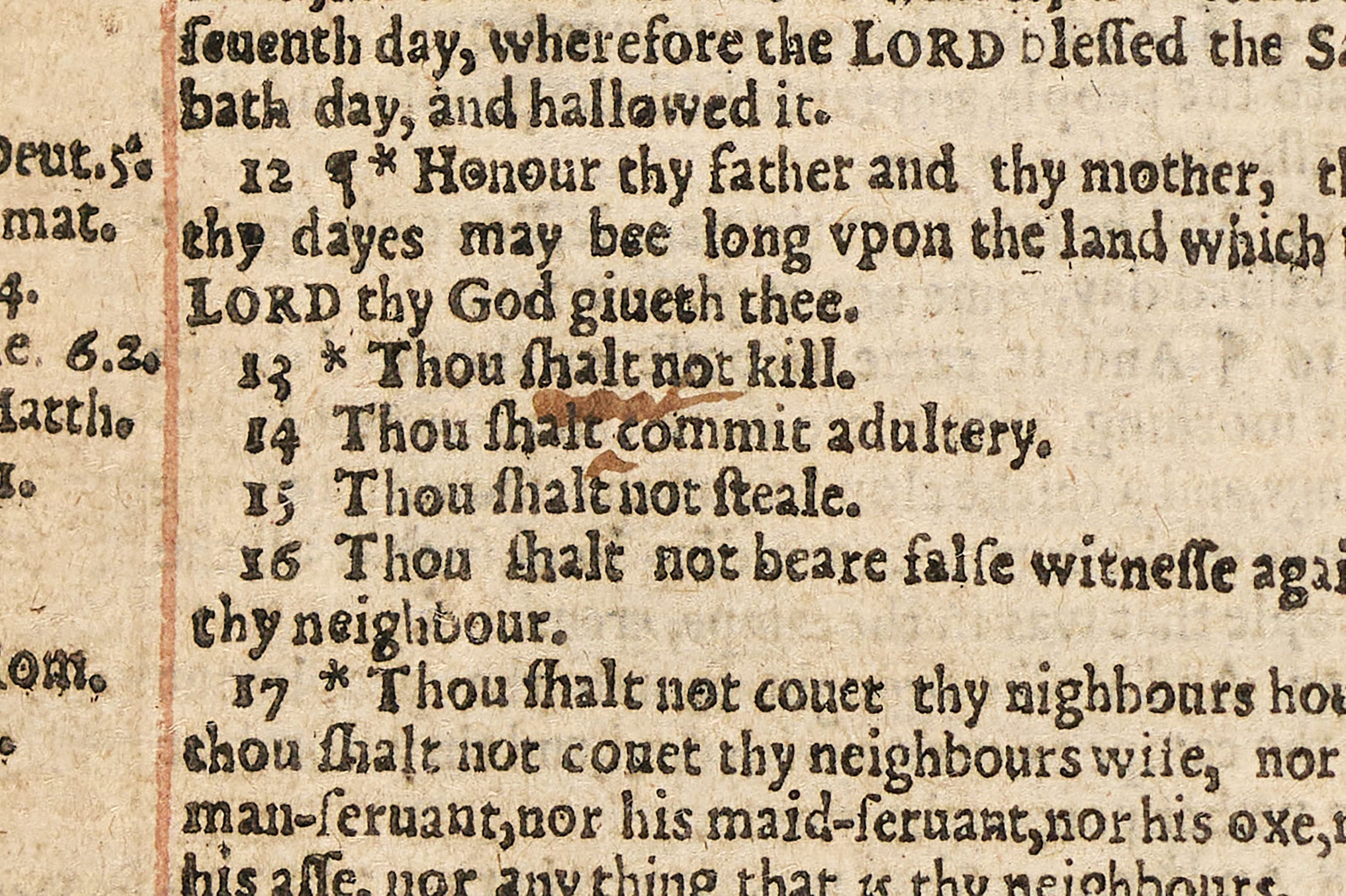
It feels silly to me to be sprinting towards a style of writing that is decidedly oppositional to how our artificial counterparts write. We should be focusing on our agency as writers. We should use the em-dash when we want to!
Do you let your haters tell you what to do?
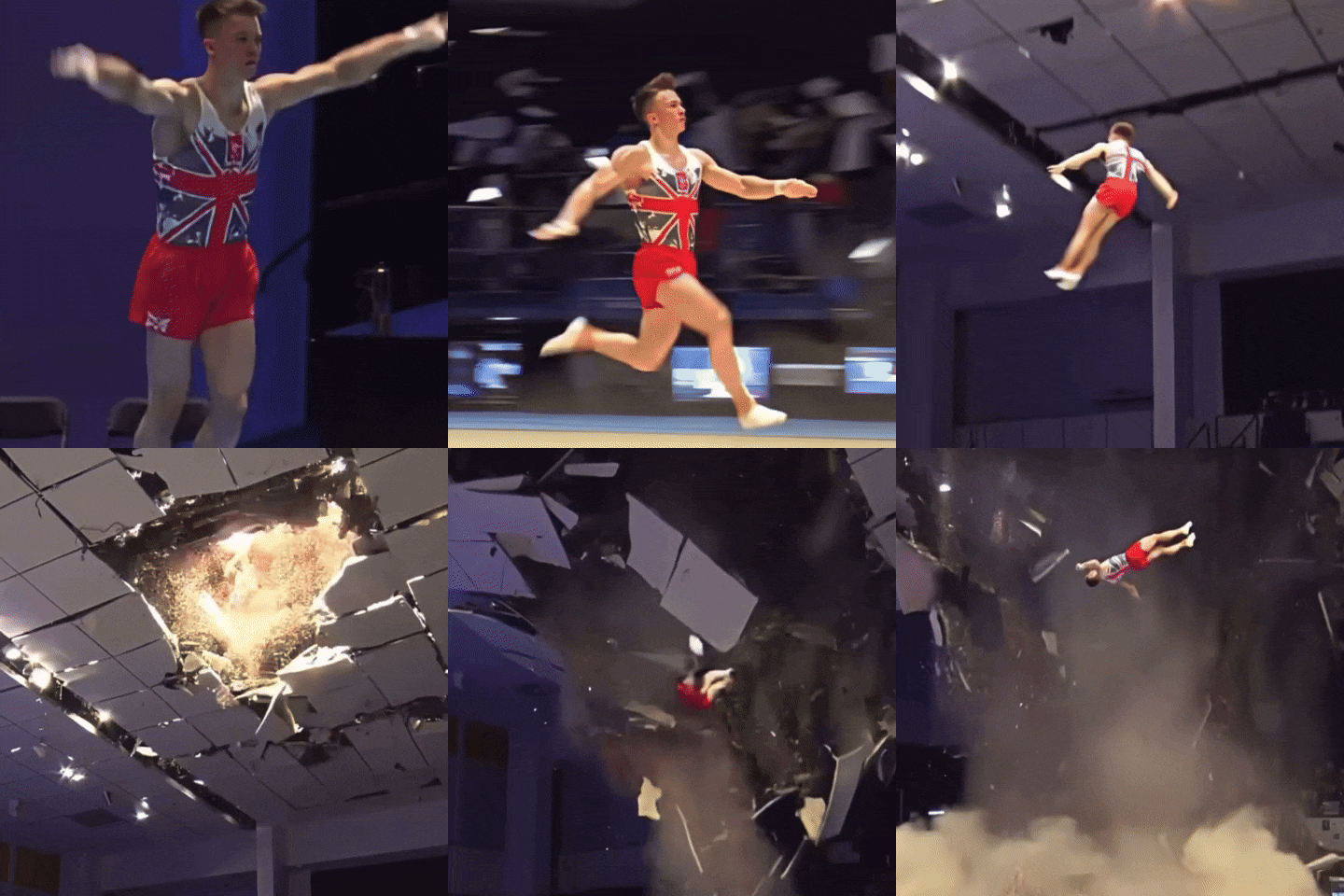
Of course, AI isn’t without mistakes. Hallucinations do often occur, but these mishaps aren’t representative of our humanity as they are glitches in the simulation.
Hello! If you’ve made it this far — thank you for joining me on my neo-luddite pilgrimage. If you’d like to support some of my more rogue ventures in cyber celibacy (typewriters, building a printing press… more to come), upgrade to paid! You’ll find treats sprinkled in your inbox <3
I hope Jason knows me well enough to know that I would never do this
Great piece !!!
Thank you