


I’m convinced that, when we travel, we want the idea of a place. Not the place itself.
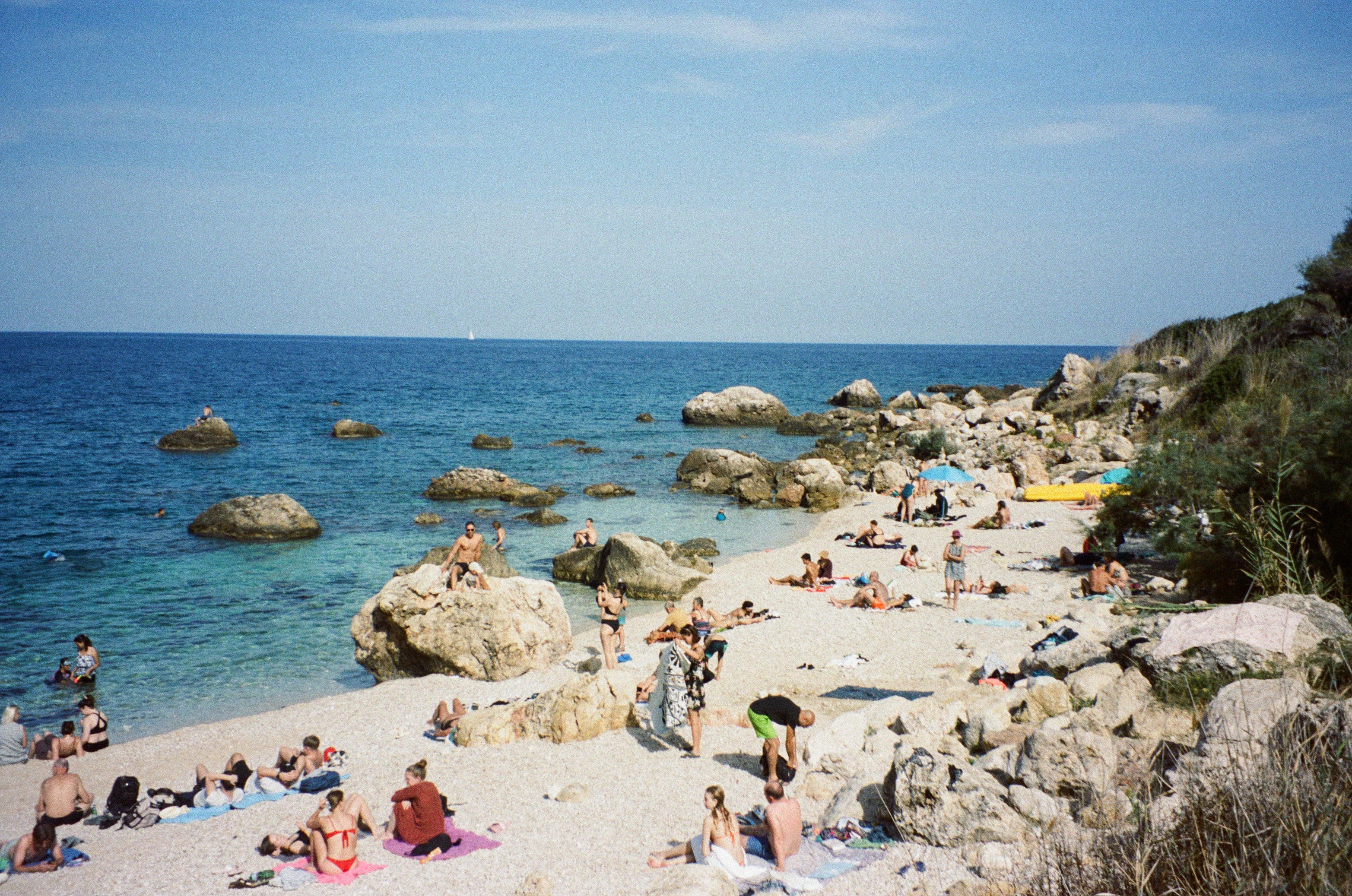
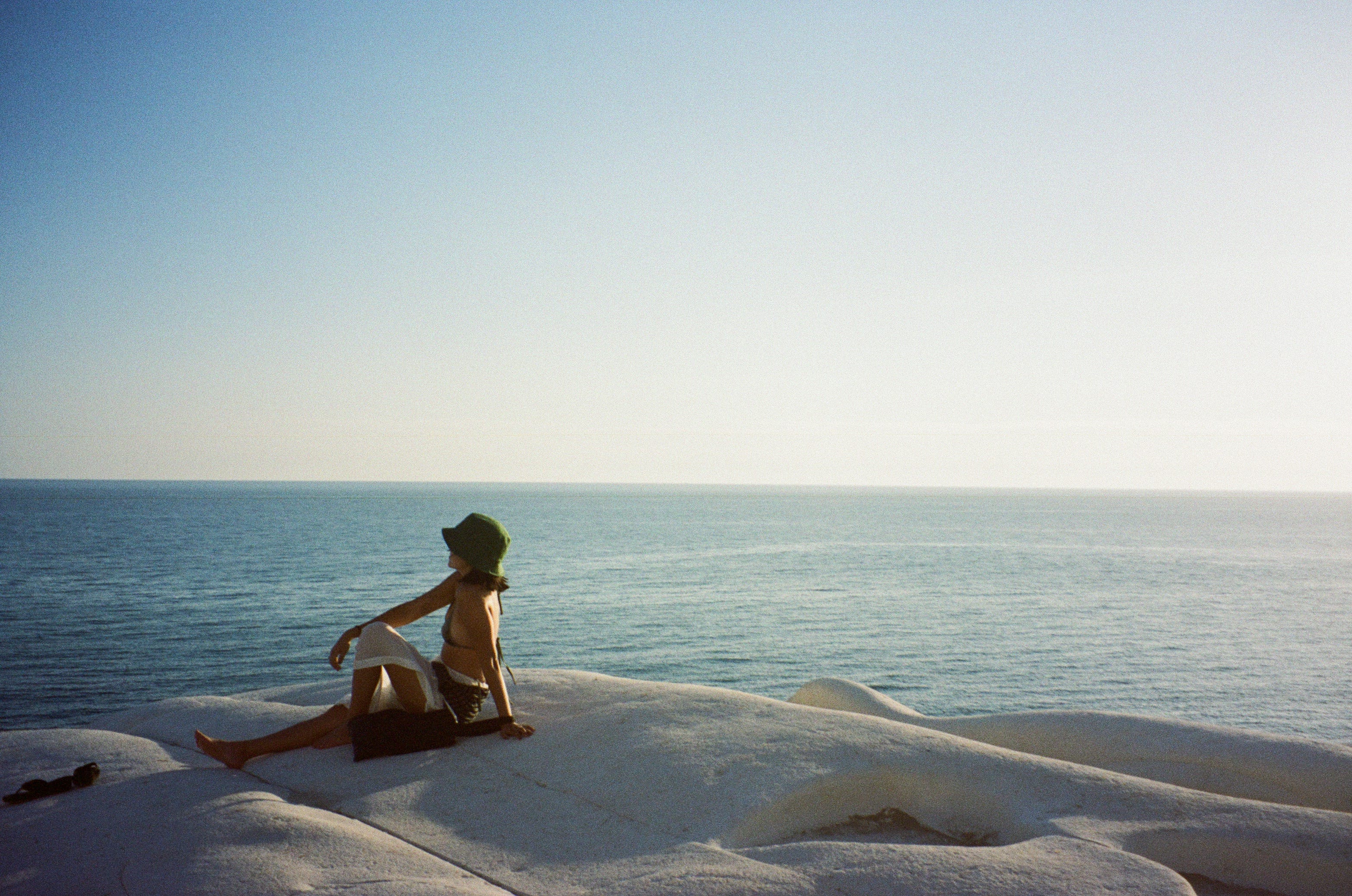
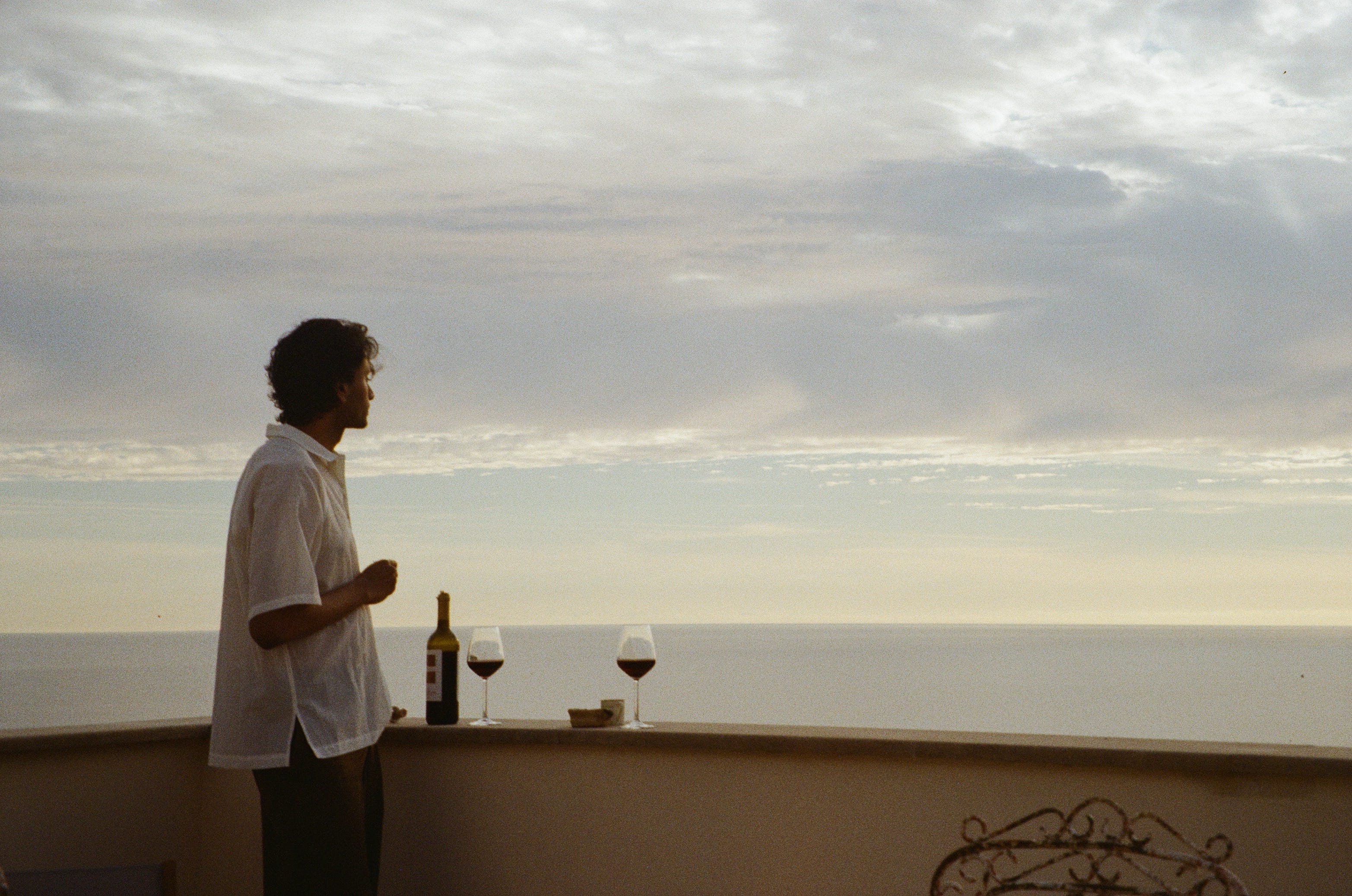
Last month, I went to Italy to unplug. A part of me wanted the serenity that my Pinterest board promised: the sparkling, crystal-clear ocean that blends perfectly into the horizon… the rustic, stucco-covered home in the middle of nowhere… I was lucky enough to experience a few of these picturesque moments. But I did also spend half the trip fighting with my boyfriend. You see, he’s a review snob.
I’m a vibe-forward person. I like stopping by establishments that I —with no tangible rubric— deem has good aura. Bala, on the other hand, likes to be more cautious. He has a complex system of scouring Reddit, surveying Google Reviews, and reading ancient blogspot travel guides (thankfully, he’s against TikTok/IG travel content). What this means is that when we go places, after I decide where I want to go, Bala gut-checks me with a quick internet consult.
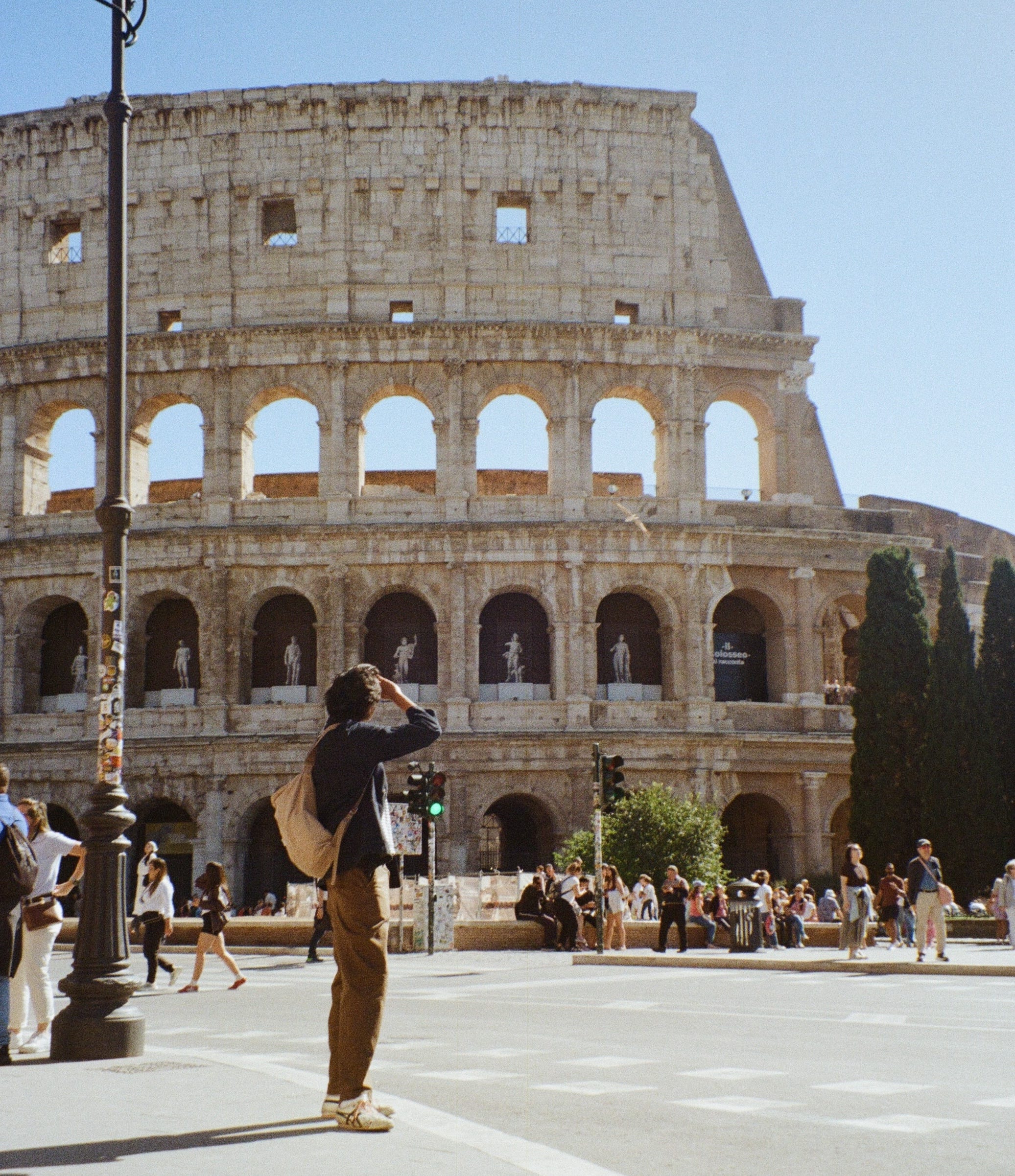
To his credit, my thirst for so-called whimsy has landed us in several less-than-mid experiences One of which gave him food poisoning.
So this month, in protest, I quit reading reviews. Here’s my case for why.
The travel fallacy
Technology has made travel incredibly easy. We can now translate things in real-time, navigate practically anywhere, and discover formerly lesser-known spots. At the same time, we now see trending destinations, vacation dumps that look identical, and an entire tourism economy built on sponsored reviews. Now, there’s a “right way” to do Mexico City, Paris, Copenhagen. You hit the same few viral shops, purchase the same overpriced pastry in the perfectly Instagrammable-bakery, and take the same photo you saw on your feed when planning the trip.
There’s always been a part of us that visits places just to say we’ve been there. It’s just that now we express that through social media.


When I stopped by Rome, I took a tour of Vatican City (I was told it’s nearly impossible to visit otherwise) and was taken through centuries of history within 3 hours. My guide pointed to the most photographed objects and famous frescoes as she pushed us through the crowd. We didn’t have time to stop and look. No one in the Cathedral did. All we were given was a guide on what things we had to photograph and which parts of the space were the most famous.
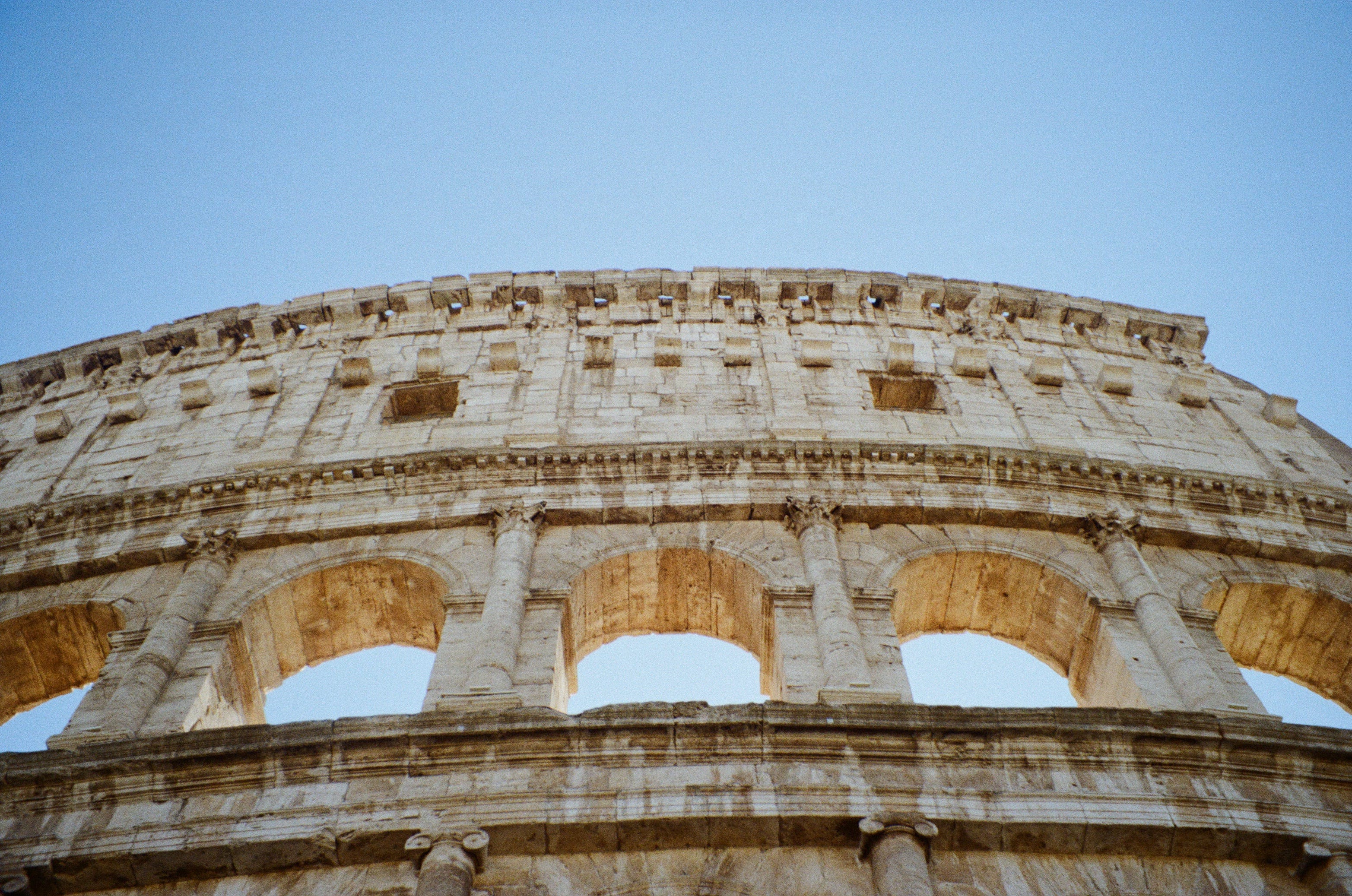
Point is, in our pursuit to “spend the best day in [insert city],” we ended up just checking things off a list. In the order of what ranked best.
Why do we let interview reviews dictate so much of our lives?
The 3.6 myth (and my 3000+ rule)
Perhaps the most poignant example of why I don’t trust reviews is TikTok’s very own 3.6 rule: no Chinese restaurant of actual quality would ever have a rating above 3.6 precisely because Chinese people (and I say this from first hand experience) never leave Google reviews. This phenomenon directly contradicts the basic way we judge the reliability of a given rating (following first principles in statistics): how big is your sample size? is your sample size well-distributed?

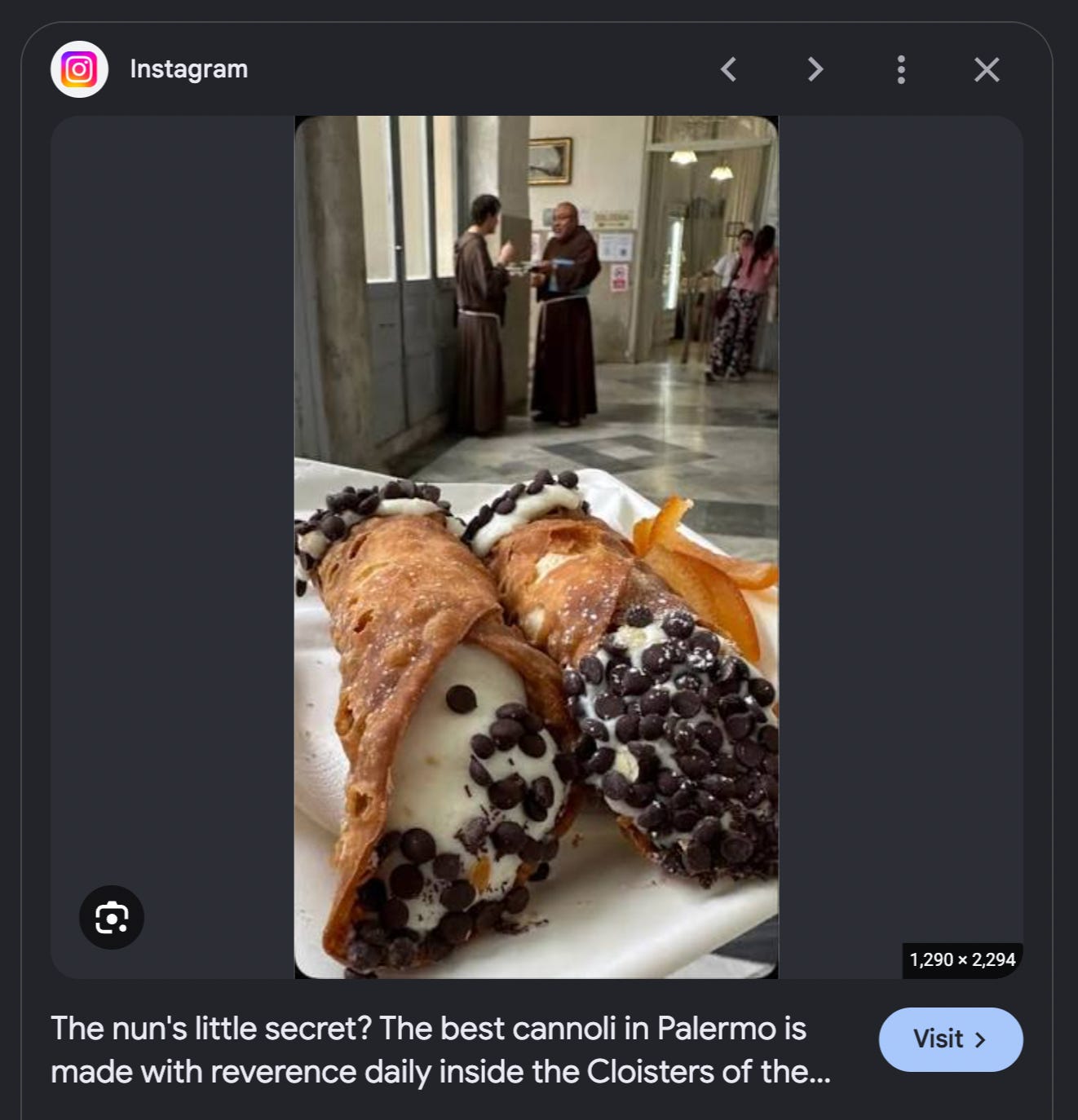
The 3.6 rule captures, as Tocqueville would say, the tyranny of the majority. I’d like to amend the 3.6 myth and tack on the 3000+ rule: any establishment with over 3000 reviews should elicit suspicion. Sure, there are classic institutions that welcome hundreds of thousands of patrons each year, but there are also places that create incentives for patrons to leave reviews — I once got food poisoning from a free tiramisu I got for leaving a 5 star review. In Palermo, I visited a monastery that proudly displayed their trip advisor rating next to a QR code of their Instagram. Apparently their cannolo is to die for.
Reviews used to be much more earnest. You left one if you had a great experience (or a terrible one). It was a marketplace of actual unhinged ideas, not another ad-placement riddled with bots. I’m of the opinion that many of us read reviews to guarantee a good experience. However, in an ironic twist of fate, Google Reviews seem to have been gamified to precisely funnel us to tourist traps.
Authenticity is a lie
The two buzzwords that almost always show up on any travel guide are: “hidden gem” and “tourist traps.” Travel guides written by people who’ve only visited a place once will claim that they’re uncovered a spot no one else knows about (that they’ll take you to, on the condition that you purchase their guided tour). But when visitors see the real, un-manicured sides of a place, they absolutely lose it.
A curious emblem of authenticity I’ve noticed online is the aversion to English. Reddit threads deem English menus a sign of “gentrification.” And yet the same posters would likely be the first to complain when the staff can’t understand them… all while the types of tourism experiences that gain the most traffic consistently romanticize in American pop culture.
“This is where Nolan filmed the Odyssey”
“This is where Audrey Hepburn shot that famous scene”
I won’t lie. I did watch a couple episodes of Emily in Rome before I made the trip. All these themes, I believe, are all covered in the White Lotus series. Which itself has become a way experiences are marketed in Sicily. Is this where I declare that we’re “post-travel”? The AI-generated tourist merch says so.
Read a guidebook!
I had the most fun on this trip when I picked up a used 2010 guidebook of Palermo.
I spent the day with Bala wandering around, following the hand-drawn maps featured. There were notes from the book’s previous owner scribbled across. Dog ears on pages of places that they seemed to like (nightlife was apparently their priority) and corrections they had inscribed in the margins. The experience felt personal, not just an aggregate of what everyone online deemed to be the best.
I was well-aware of its out-dated-ness, but that just made me more eager to explore.


Give it a go!!!!!
Hello! If you’ve made it this far — thank you for joining me on my neo-luddite pilgrimage. If you’d like to support some of my more rogue ventures in cyber celibacy (typewriters, building a printing press… more to come), upgrade to paid! You’ll find treats sprinkled in your inbox <3
Restaurant roulette is equally fun when you're not traveling IMO, much to the chagrin of dates/friends. It's a uniquely awesome experience to walk into a place blind, order something weird, and have the worst/best food of your life on a random Tuesday. Review sites kill the feeling of adventure
I always think picking where to eat is one of the hardest/ most frustrating part of travel because of all the reviews. I have also gone back to using more guidebooks + recs from locals!