


For a little over a year, I’ve been writing (and publishing) an essay every week (give or take…).1 It started as a way to figure out what “finding my voice” means. I was fortunate enough to find a community that resonated with my ideas (which I’m SO grateful for)! But, somehow, I find myself regressing.
To be clear, I’m not blaming Substack. It’s just that trying to “make it” on this platform is changing my writing process and making me reflect on a why I write in the first place. How am I holding myself accountable for the quality of my work?
I am the problem
I’ve been writing freelance for over 7-ish years now —writing for places like Wired, Vox, Vogue— and I still don’t have a precise grasp on how “good” my work is.2 But I’m questioning the quality of my writing because I’m occasionally tempted to:
Force a concept to fit a “viral” template
Rush a draft to align with the media cycle
Build a story around a headline
Prioritize brevity for “reshare-ability”
Jump to conclusions
… basically anything the algorithm rewards or what “growth” gurus tell us to do. Needless to say, I DON’T succumb to any of it (at least not consciously). I do, however, think even the consideration of doing so warrants reflection.

Having people read your stuff feels good
Since starting this newsletter (and sharing more ideas on social media), I was met new internet friends and reached corners of the world I never thought were accessible (hello my singular Vanuatu subscriber)! “Exposure” is a form of validation that still feels fairly new — one that I’m learning to temper.
I get excited when an essay gets more hits than usual (how could I not). But I’ve started occasionally chasing that the feeling instead of pursuing that usual moment of catharsis when the process of writing finally makes sense of the internet deep dives, conversations, and intrusive thoughts I’ve had that week. Why?
Do you want to be read?
If a tree falls in a forest and no one is around to hear it, does it make a sound? Does that matter, if the act of falling3 brings intrinsic joy to the tree?
Clickbait has been normalized as a necessary evil. Legacy publications do it. Social media gurus do it. I did it once (in bad taste).4 The thinking goes: lure the reader in with a bogus headline so they’ll stay for the substance. It’s utilitarian, allegedly.
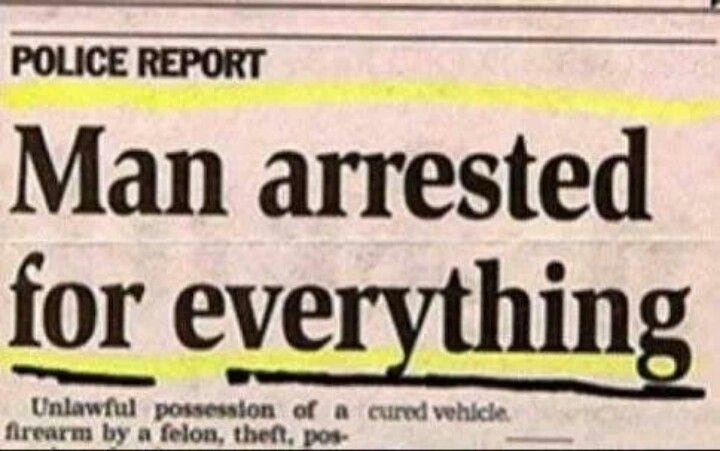
Where we used to rely on a compelling lede or nutgraf to get an idea of what we’re getting into, we now skim headlines to get the “point” of an essay. Instead of butter yellow fonts and overlaying images with Helvetica, we now pattern-match semantic conventions… kind of a literary equivalent of what fashion it-girl brenda once described as Template Slop. A few examples:
The New York Times: “Your dog is a genius. Just not the way you think”5
Vox: “This is [insert literally anything], explained.”
YouTube: “The Biggest Bowl of Soup Ever?!”6
Substack: “The hypocrisy of baked bread.”
It works. I fall for it all the time. I do get a bit of post-click clarity when I realize the content has nothing to do with its label. kate lindsay of Embedded put it best: you are what you hate read!! That said, template Slop is an effective tool if your goal is to get people to engage with your work, but a million views doesn’t always mean those people like your content.
Building a following is actually really easy
Content creators have hacked the algorithm by ways of trial reels, follow for follows, and rage bait. This loose formula for virality tempts me with the ripe and sharp feeling of instant validation, distracting me from the more subtle (but longer-lasting) feeling of intellectual fulfillment.
In an interview with Kareem Rahma, Trevor Noah said: “people are making content to get people to watch the content, but they’re not making the content itself anymore.” Platform reward the act of producing content, not it’s substance. That’s why most of us don’t remember much of what we spend hours consuming online.
I want to be read, but I also want people to care.
Having people interact with your work in a substantial, meaningful way is the challenging part. To me, having someone quote a footnote is the crown jewel. My chef buddy Nico once said: “I could make the same steak video and consistently go viral. To do what? Sell shitty olive oil?!”


Why do you write?
Knowing why you write dictates how much you care about the quality of your writing.
There are many substackers/creators in this for the bag (high engagement = lucrative brand deals) so quality isn’t exactly top of mind. I only make a few lattes worth of $ from Substack each month, so I’m really in this for the love of the game/craft.
Some affirmations (borrow them if you please):
I write because it pushes me to learn
I write because collaging words together (coherently) is fun
I write because it helps me process my feelings
I write because I want to share my favourite corners of the internet
My friend/editor Jason told me that good writers are always writing for someone specific. You could write for yourself, the fandom you’re in, your internet friends…Jason writes exclusively for his brother, because his brother thinks he’s funny.
Anything you say, goes (on Substack)
Substack loves all-lowercase-stream-of-consciousness prose, but I think this celebration of informality slowly erodes our sense of journalistic responsibility.
Before you hit “publish”, no one fact-checks your work or points out holes in your argument. Where an editor would typically push me to either be more concise or precise with my language, I feel I can get away with just gestures of ideas. It’s on me to check my work (please read this delightful The New Yorker story on fact-checking).

I often return to Celine Nguyen’s quote: “Before there was AI slop, there was human slop.”
Everyone wants to be “smart”, no one wants to learn
Dazed’s Laura Pitcher published a gorgeous essay on “thoughtfluencers” earlier this week that captured much of what I covered in this long-winded rant.
In lieu of our usual diet of mindless matcha-drinking-pilates-going TikTok vlogs, there’s a growing appetite for informative content that’s equally digestible. Everyone is starting a Substack because they see it as an antidote to Instagram or TikTok, despite Substack itself being a form of social media. The resultant spike in explainer videos buckets well-researched and AI-generated scripts together, much as Substack’s incentive system easily conflates thoughtful writing with word vomit.
Pitcher wrote:
“If everyone is too busy churning out three thinkpieces or explainer videos a week, there will be no one left to practise the increasingly lost art of simply being a student.”
In line with the everyone-wants-to-be-a-DJ-and-no-one-wants-to-dance spirit, my solution to shielding my craft from the temptations of Substack virality is to constantly ask myself:
Why do I write? Who am I writing for?

Hello! If you’ve made it this far — thank you for joining me on my neo-luddite pilgrimage. If you’d like to support some of my more rogue ventures in cyber celibacy (typewriters, building a printing press… more to come), upgrade to paid! You’ll find treats sprinkled in your inbox <3
Give or take a few weeks here or there due to life complications!!!
Does it sound better? Is it easier to parse? More logically sound?
Imperfect metaphor but falling = writing here…
I hastily titled an essay and hit publish without thinking
For those outside of journalism circles, know that legacy media headlines are almost never chosen by the writer.
Shoutout Katie who brought this to my attention
I really enjoy your writing! I hope that adds to your reason to write :-)
I've worked in TV for more than two decades, and have slowly moved from doing it for the love it to doing it to pay the mortgage. Which in a way has made life a lot easier
I'm relatively new to content creation outside that, and having been on Substack for a few months, I'm still really fascinated by people putting in so much effort. It's genuinely interesting.
Me personally I'm on here to eradicate all human suffering, which for me is somehow enough justification to write a spammy Note each day