


This week, I collaborated with The Sidebar to put together a list of the internet’s best and most fragmented corners. Peep their newsletter on the pursuit of building a better internet.
Yesterday, Wired published a piece about the death of SEO and the birth of Generative Engine Optimization (GEO), a burgeoning $850 million USD market. After AI took over search, it was only a matter of time before the way we index ourselves on the internet changed as well. Remember when the politics of search engine ranking dominated conversation? Oh, what I’d do to bring that back.

With the explosive rise of AI-driven search, sources — let alone rankings — are less relevant. Online inquiries are given binary, authoritative answers. No web scraping or internet meandering is required. Looking something up has become the most literal form of “ask and you shall receive,” so much so we barely reflect on the accuracy of what we’ve been given.
Before artificial intelligence (perhaps even search engines in general), the internet experience was fragmented. The web required surfing, and many of us spent hours just clicking through related links until we decided we’ve gotten too deep. There was more choice and agency in the internet experience — being online felt less like being transported and more like a leisure walk.
But… where do these walks start?
Browse
Start here, then see where your curiosity takes you
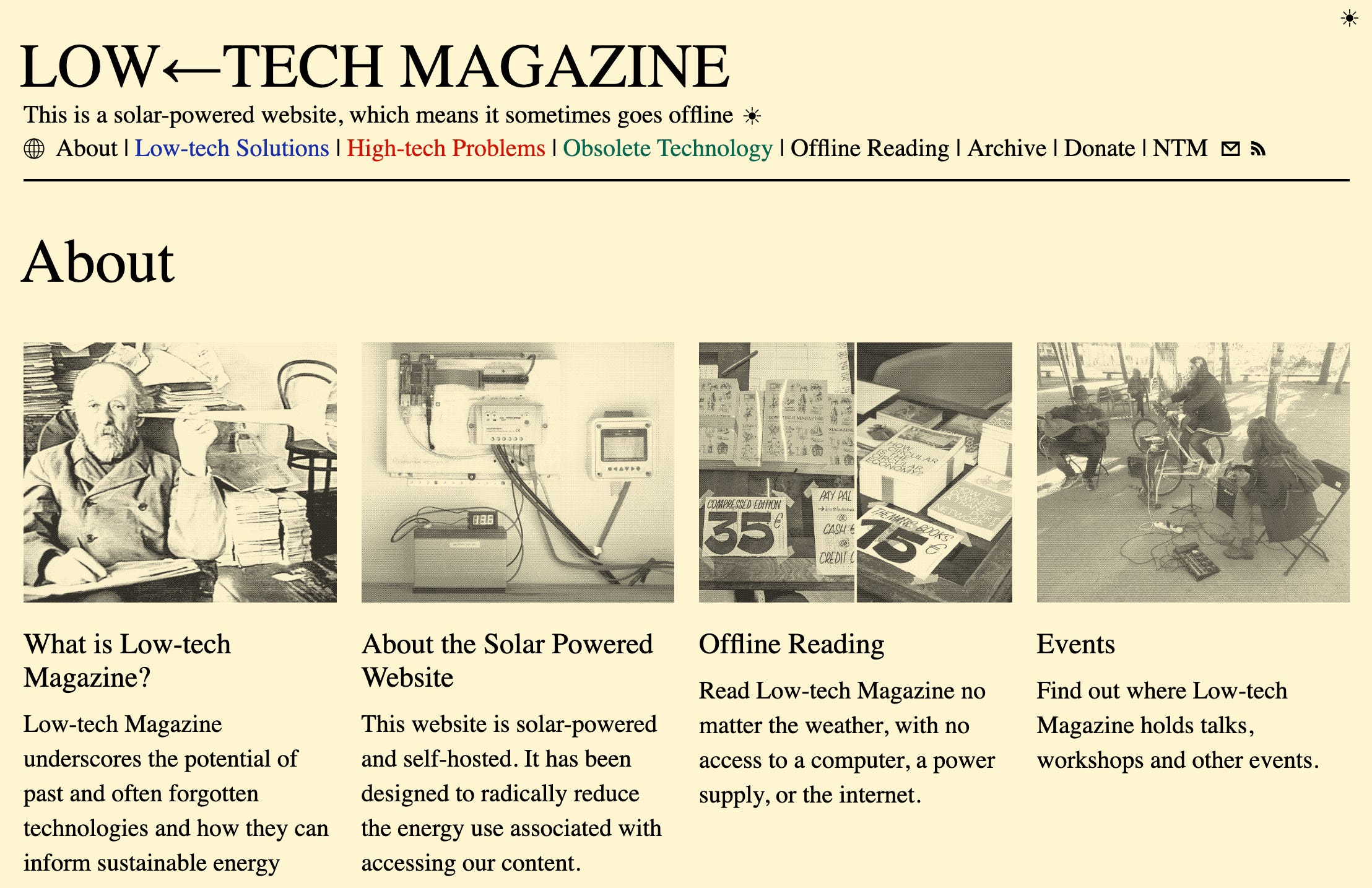
Low Tech Magazine — a magazine powered entirely by solar, exploring forgotten technologies and its potential for sustainable energy practices
A Website is a Room — a collection of personal internet spaces
Interact
To play with, instead of swiping
How did you find me? — a bulletin board where visitors share how they arrived at the site, playing with the idea of users tracking the website rather than the other way around.
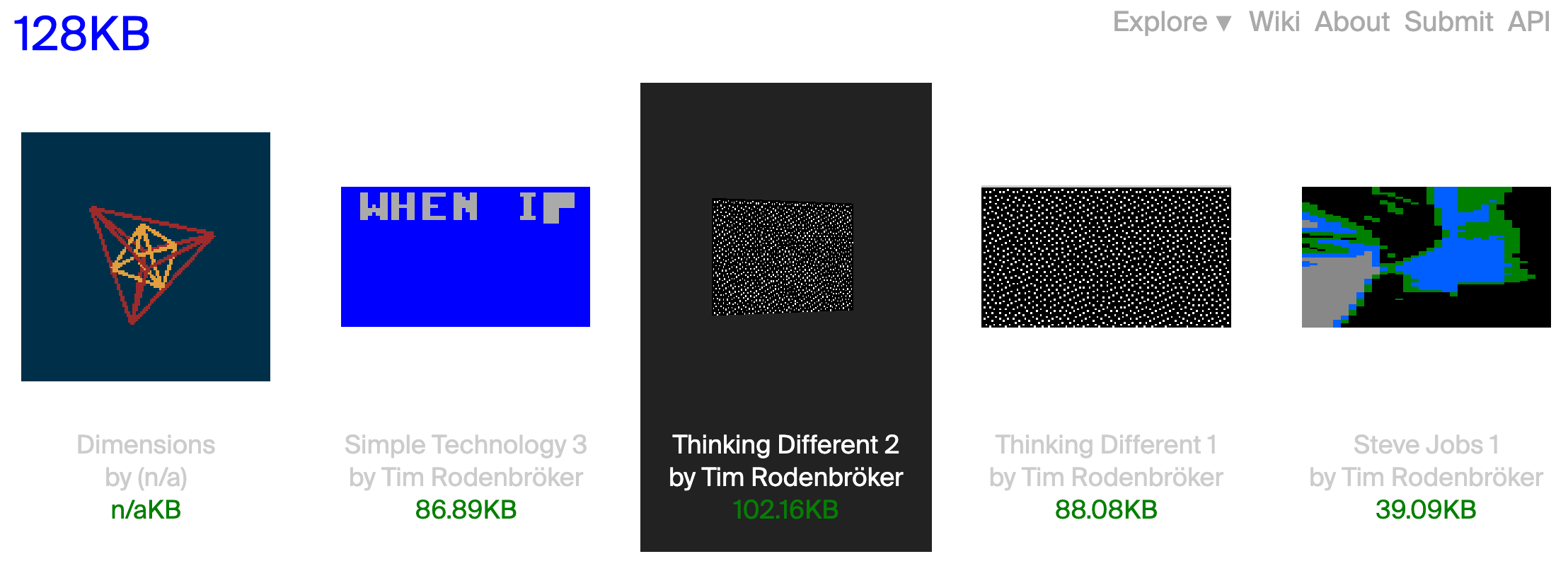
What can 128KB do? — a collection of digital art submissions that are exactly 128KB in size, to illustrate creative computing limits and give weight to the digital world
One Million Checkboxes — fairly self explanatory (editor’s note: we talked to the creator here)
Read
Discover new ideas to research
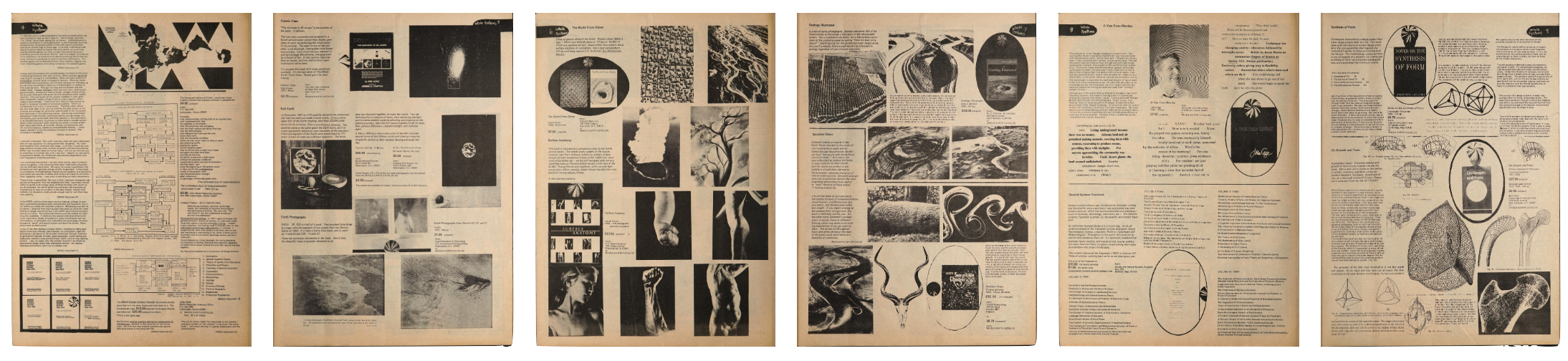
Whole Earth Review: The Computer As Poison (1985) — a dystopian-themed issue of the famous counter-cultural tech magazine. “It is not our hand that we put into these machines, it is our attention.”
The Timeless Way of Building (1979) by Christopher Alexander — an influential environmental architecture text that insists on the importance of design systems when building for longevity.
Build
If staring at your screen gets too much, learn about lo-fi tech by building your own
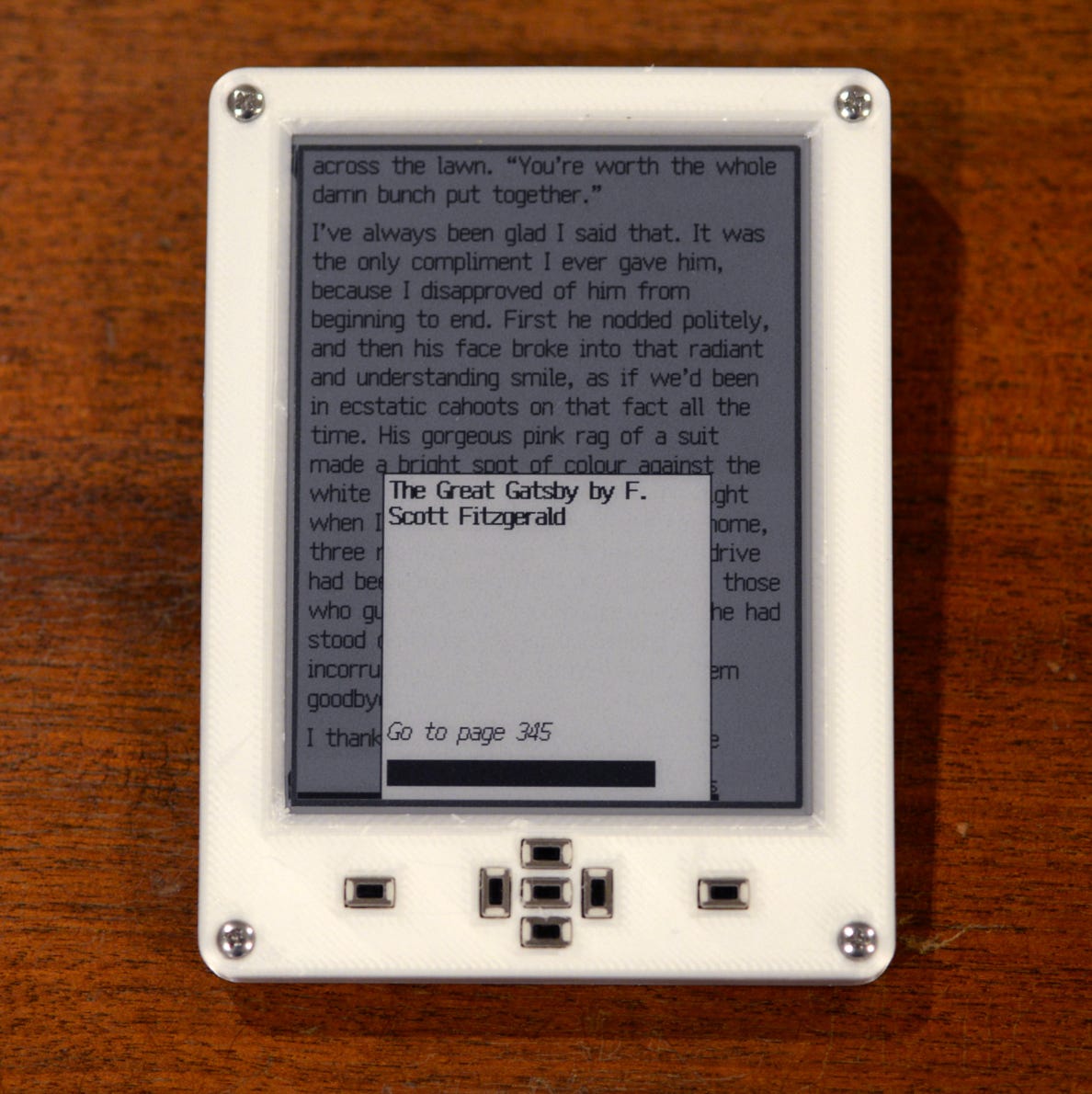
The Open Book — an open sourced, customizable reading tablet
Your own cardboard camera — a self-proclaimed: “a non-technical, maths-free post.”
The internet is more than a place for social media. It’s also a home to digital gardens, museums, libraries… and so much more. I mean it when I say this (in the corniest way): the journey is the destination.
Your weekly anti-alg FYP is usually a paywalled post :)
To access each week’s roundups, upgrade your subscription. Paid subscriptions mostly support some of my more rogue ventures in cyber celibacy (eg. typewriters, building a printing press).
I also created a Snail Mail Membership, where (in true neo-luddite fashion) I’ll physically mail you this newsletter on a bi-monthly basis. For the first dozen snail mail members, I’ll handwrite your first letter <3
I love these weekly roundups so much!! thanks for sharing :)
This piece really made me think, thank you for articulating so well the critical importence of reclaiming internet agency from generative algorithms.