


Everything is being commodified, even the absence of something.
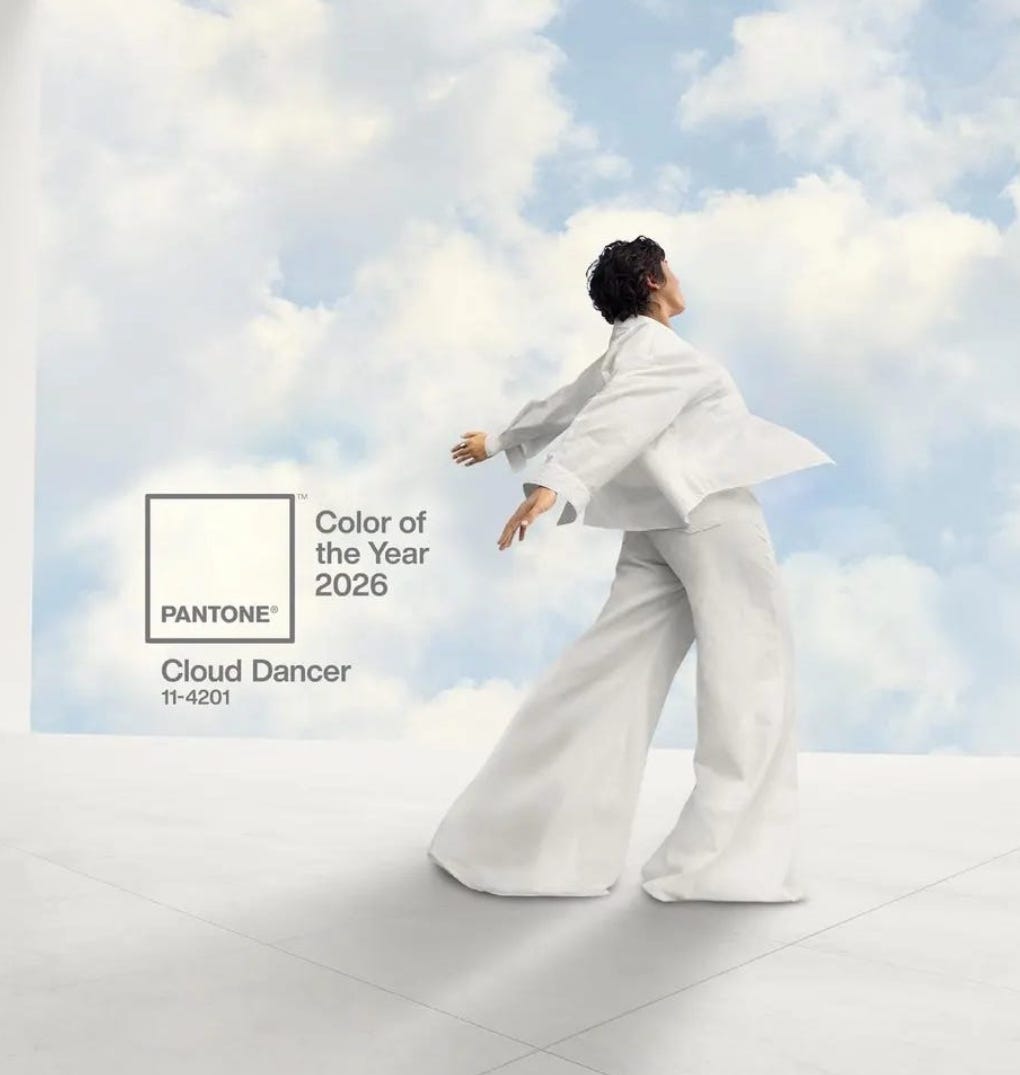
Pantone released Cloud Dancer as the color of 2026. It’s apparently “a lofty white that serves as a symbol of calming influence in a society rediscovering the value of quiet reflection.” Other key terms thrown around include: fresh start and blank page. Fitting, considering ‘Rage bait’ is the 2025 Oxford Word of the Year.
In french philosopher (and The Matrix muse) Jean Baudrillard’s Simulacra and Simulation (1981), he talks about the human experience as a simulation of reality where media dictates a culture of consumerism that champions the symbolic rather than material substance. We become what we buy, in short.
“It is no longer a question of imitation, nor duplication, nor even parody. It is a question of substituting signs of the real for the real itself.”
Baudrillard’s work came in hot as a reaction to modernity’s broader faith in stable meanings. As a post structuralist thinker, he believed that as traditional symbols of identity became more fragmented (class, religion, lineage), they become less viable as archetypes for people to attach their sense of self to.1
The search for identity, in turn, pivots to commodities — Starter Packs, BuzzFeed quizzes, and everything Labubu — that derive value from the media (algorithms, in 2025), and the whole framework of ‘value’ ultimately centers around the representations of the real. Not reality itself.
Baudrillard’s formulation outlines how a lack of brand narratives would create a crisis of identity, while the abundance of brand narratives create a crisis of meaning — what could be more characteristic of this view than literally selling nothing?
The value of most lines of cosmetics, despite being produced by the same factories, come from celebrity endorsements. The Row —now worth $1 billion— thinks they can charge you $700 for sh*tty flip flops. The Direct-to-Consumer market, based entirely on the premise of cutting out bullsh*t-marketing, has created a brand around being brand-less, and is expected to be worth $639.15 billion by 2035.2
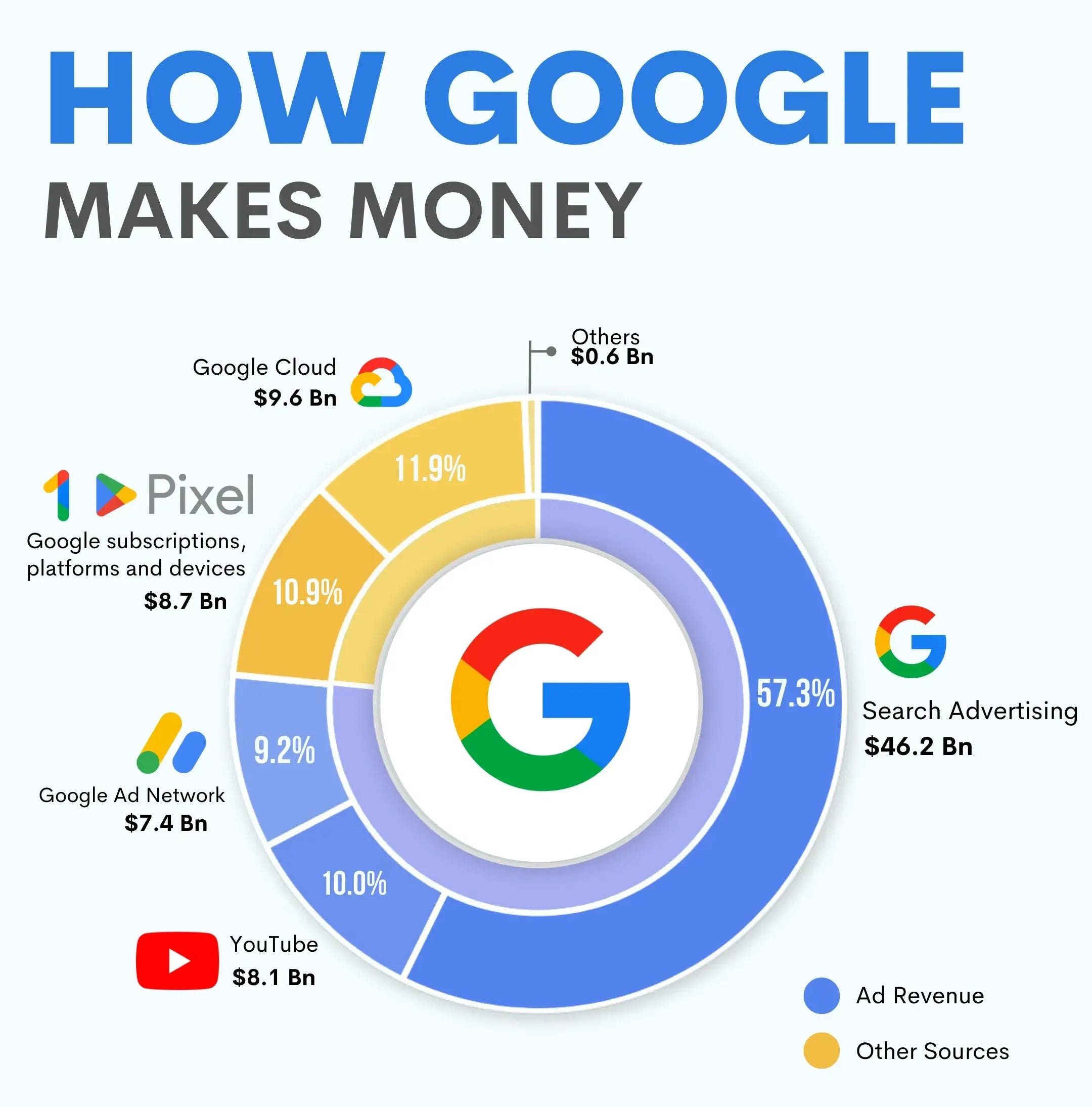
When Google’s ad revenue is 57.3% of its business, it can be reasonably inferred that marketing makes the world go around. If the FastCompany/WGSN overlords decide that selling nothing is in, who are we to argue with them?
We’ve been selling nothing since the 60s
Yves Klein, leader of the french Nouveau réalisme art movement who’s also famous for his shade of blue, once sold empty space as art for gold. Zone of Immaterial Pictorial Sensibility (1959), he called it, before tossing his gold in the Seine.
The receipt of this transaction (the only evidence of this work of performance art), was sold for $1.2m at Sotheby’s in 2022. It’s now widely recognized as a precursor to NFTs.
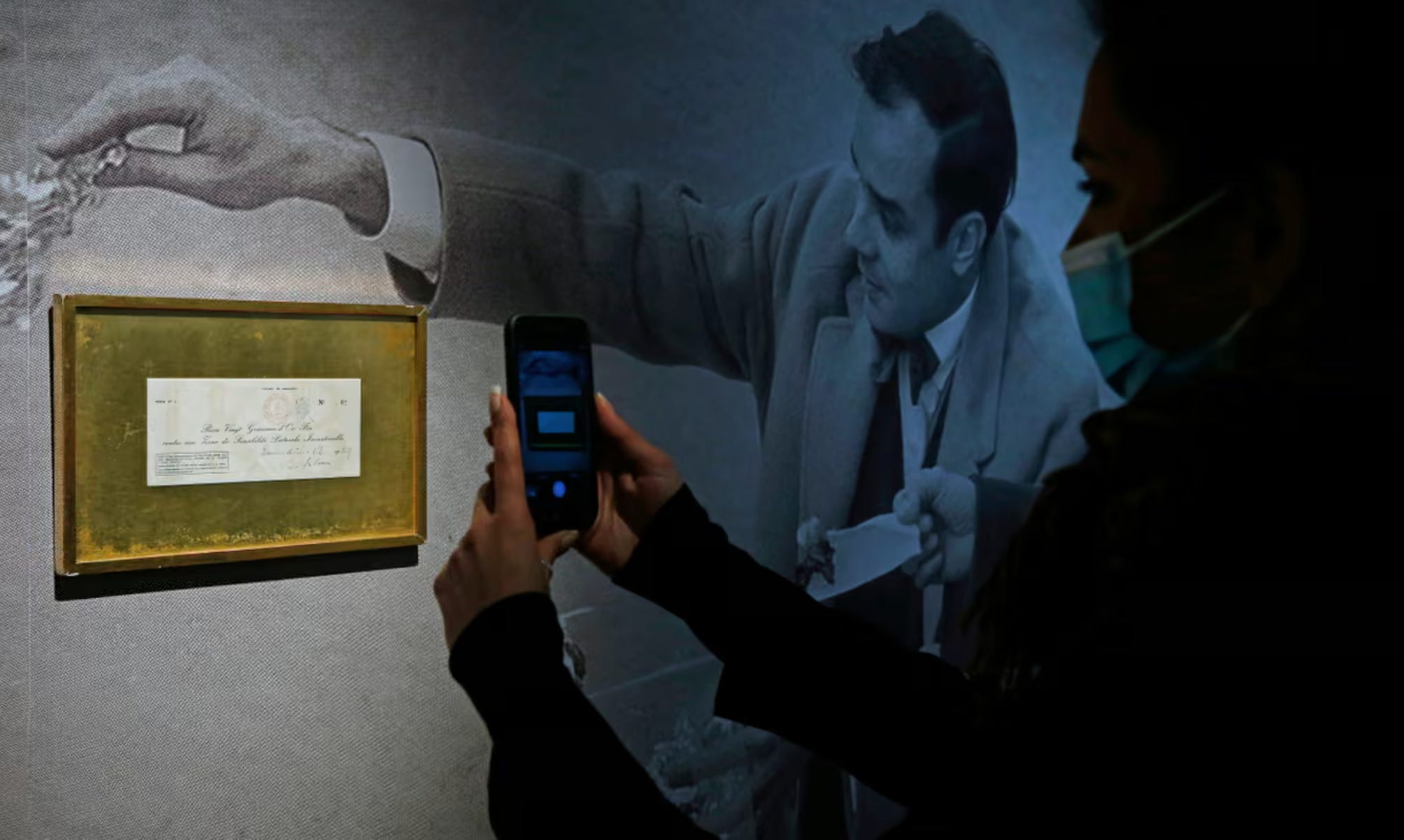
Klein posited the ‘zone’ he sold as art, where the ritual of acquisition and destruction of the records of his performance were the ‘ritual’ that completed his work. He was critiquing the fetishization of objects and demonstrating how value could be attributed to the absence of something. Who knows, maybe his ideas were behind Pantone’s creative vision.
When every minute is accounted for, downtime is also commodified.
We treat minutes like calories. Most media is time stamped: articles online, Youtube videos, even Substack posts. How elaborate an activity is is also measured minutes — “this’ll take just five minutes of your time.” Everything’s eerily similar to that Justin Timberlake 2011 flick, In Time.
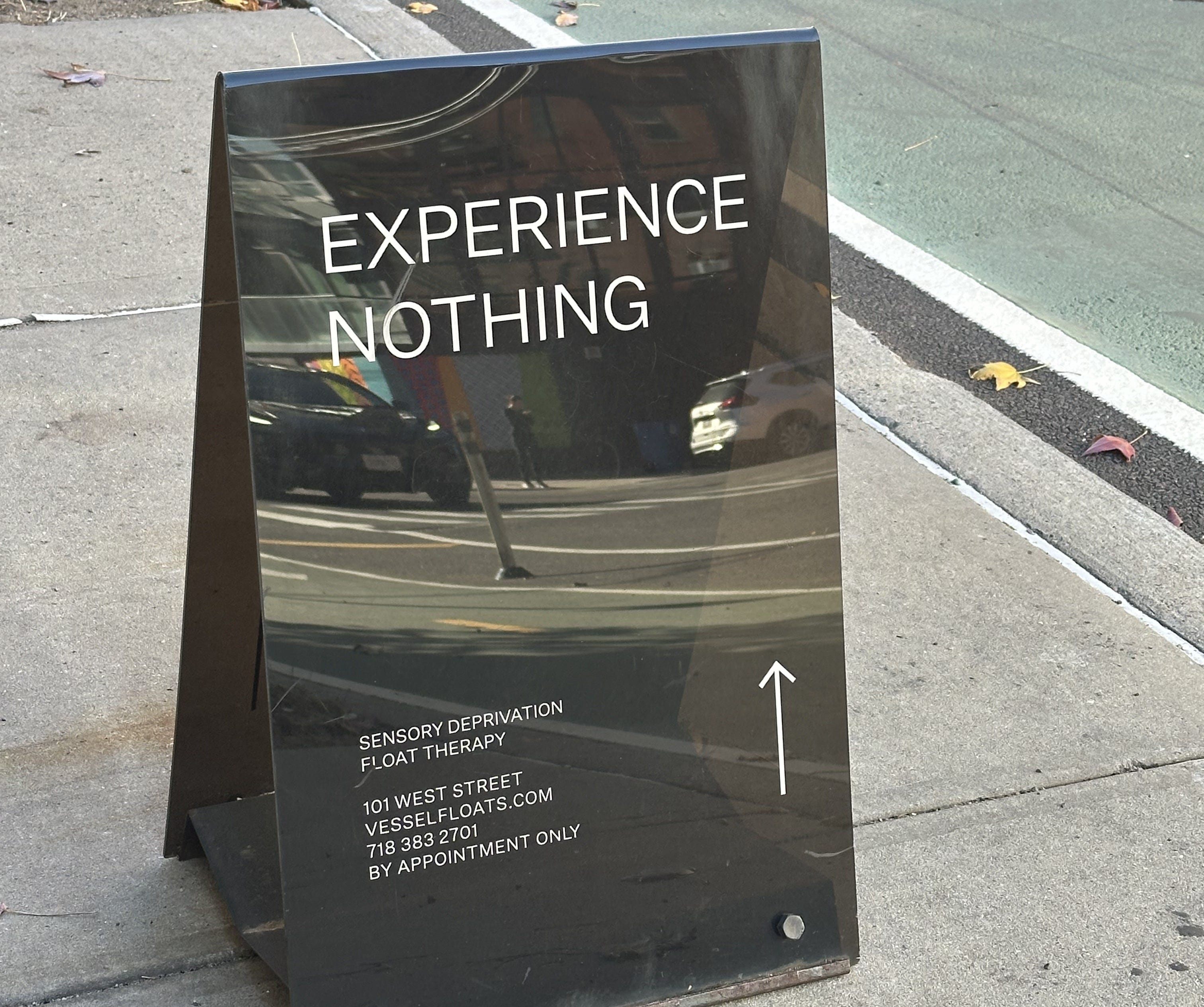
A while back I wrote a post about the importance of boredom, and an old friend messaged me about how he caught himself saving his thoughts for therapy. There is a time and place for reflection, but do we really need to be paying for it?
Where our lack of constant stimulation in the past gave us room to think, we seem to be filling up our time with podcasts, shuffled-music, old sitcom re-runs. My life has become your background noise.
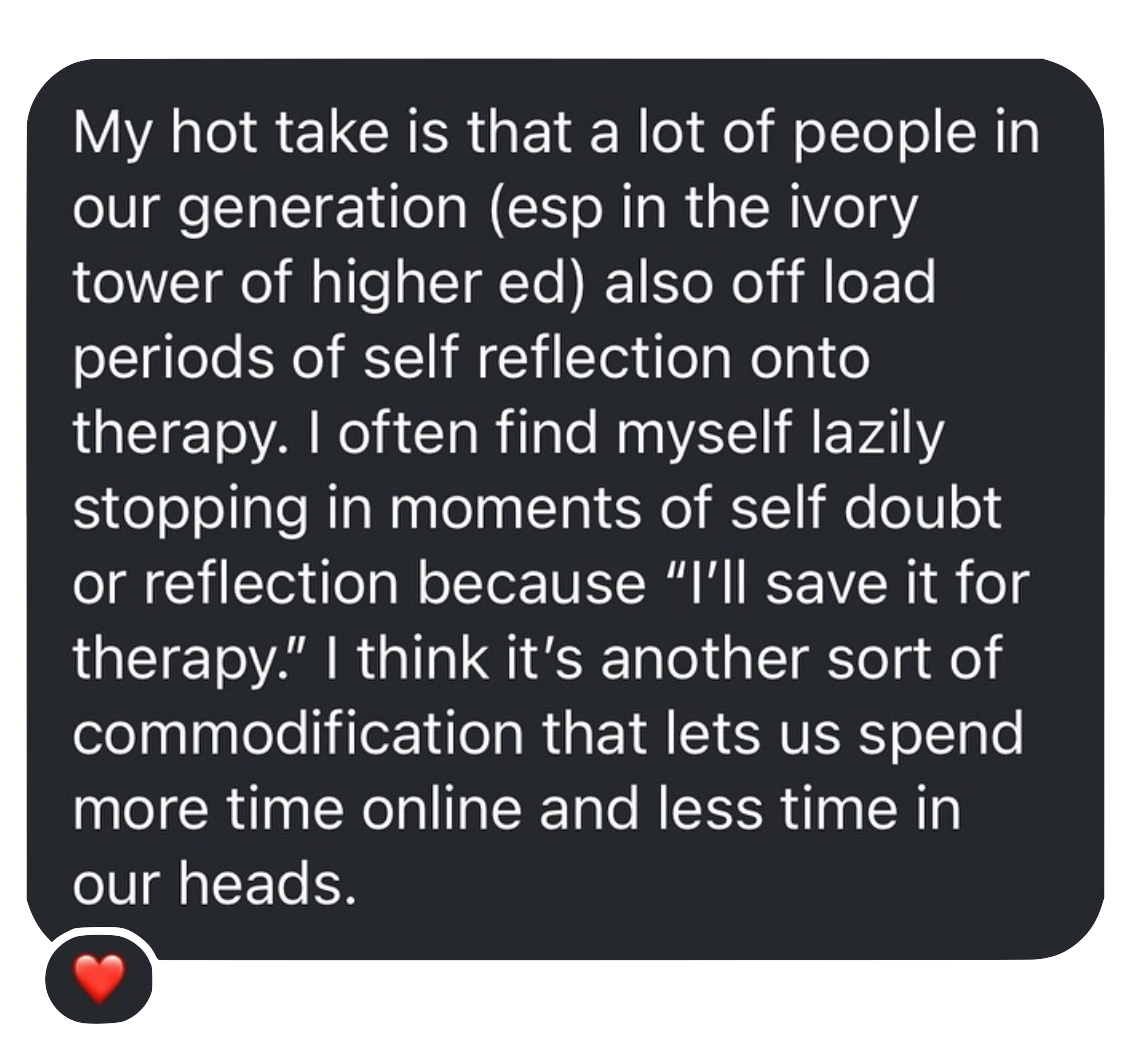
We know, scientifically, that we need time to do nothing: when we’re ‘at rest,’ our default mode network (DMN) turns on to consolidate memories, repair cognitive fatigue, integrate emotional experiences… and so much more. Recently, Johns Hopkins PhD student Rui Zhe Goh found that our bodies experience silence the same way we experience sound.
Perhaps we should make time for unstructured boredom the same way we plan a vacation. We can even seek counsel from this The New Yorker article on The Case Against Travel, where professor Agnes Callard writes: “Socrates said that philosophy is a preparation for death. For everyone else, there’s travel.”
We’ve been warned!!
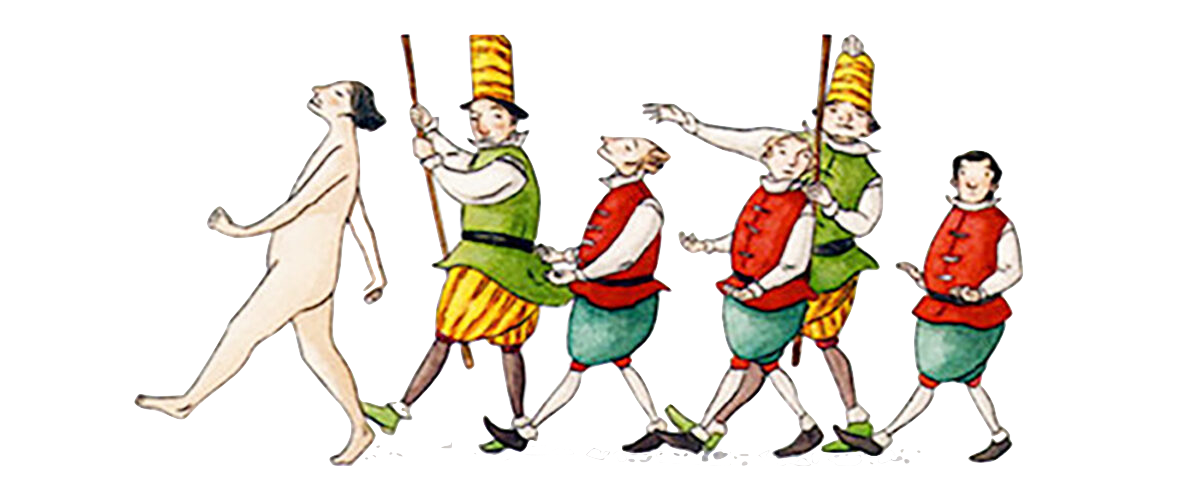
The idioms and cautionary tales of this phenomenon are endless: Emperor’s New Clothes, Mr. O’Hare selling air in The Lorax, you name it.
If we truly are what we buy, does this mean we’re… nothing?
Maybe this is my very long-winded way of saying we should —
Think about why we want to buy things
Evaluate how we’re attributing value to our possessions
Normalize underconsumption!
***
Hello friends! I enabled paid subscriptions to support some of my more rogue ventures in cyber celibacy (typewriters, building a printing press… more to come).
I also created a Snail Mail Membership, where (in true neo-luddite fashion) I’ll physically mail you this newsletter on a bi-monthly basis. For the first dozen snail mail members, I’ll handwrite your first letter <3
Stephen West did a fabulous podcast episode about Baudillard a few months ago.
Sourced from Business Research Insights