


In college, I used to bombard my philosophy professors with dumb questions about texts I didn’t understand, wearing them down just enough to give up the week’s answer keys. Sure, maybe my incoherence wasn’t exactly intentional, but it worked like a charm. Talk about weaponized incompetence!
That was well before chatGPT waltzed into the scene. My graduating class may be one of the last to experience the dread of scribbling barely-legible essays on bluebooks, but the only ‘support’ we got (as far as I knew) were LitCharts (SparkNotes), Wolfram Alpha, and the occasional John Green video. Remember when we had to befriend someone in class just to copy their notes?1
Today, information is abundant. ‘Ask Chat’ has entered the modern lexicon, and everything is literally a question away. Gone are the days of marinating in truly diabolical Reddit rhetoric to form our own opinion. Search summaries give us shortcuts to the absolute truth! Algorithms determine what actually matters!
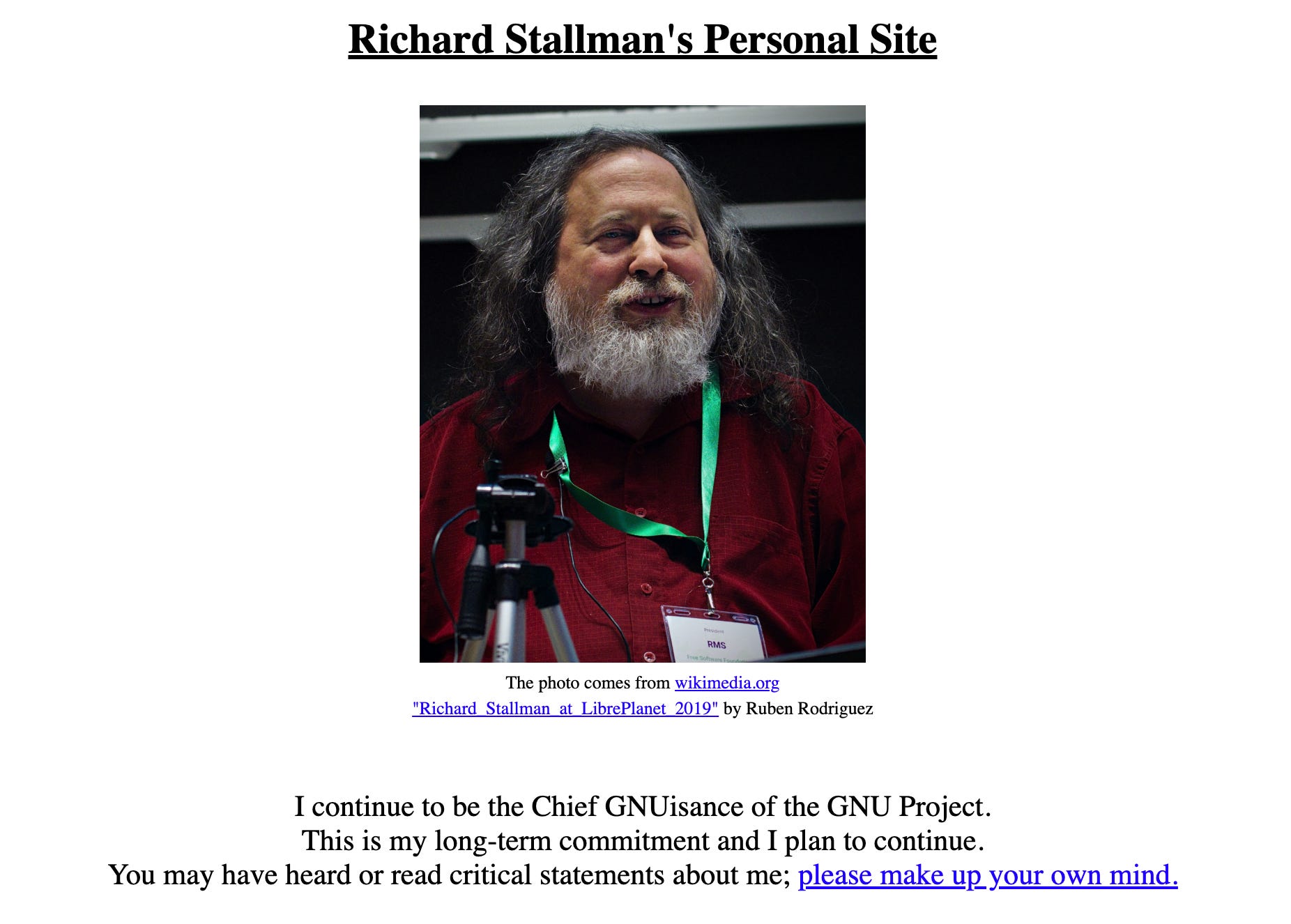
Because information is so easily accessed, it’s no longer something we retain. Being able to quote Shakespeare becomes less impressive when the ‘sensible’ (and more ‘efficient’) thing to do is access his complete works through ChatGPT.
“Work smarter, not harder” seems key to this decade
But are we attributing ‘smart’ to the person or the tool?
How we perceive intelligence has shifted. Every thought-leader/LinkedIn influencer’s take from the past two-years have converged in the idea that AI won’t dumb us down. It’ll, instead, just make critical thinking skills more valuable (more on The Atlantic). When everyone has access, intelligence becomes what each person chooses to do with information. I personally find comedians smarter than your average knowledge influencer, mostly for their ability to think on their feet (hello Stephen Colbert, Jon Stewart, Conan).
Ahead of his time, Matt Damon (in his iconic Good Will Hunting bar fight) calls out a rat-tailed wannabe-academic for quoting Pete Garrison and passing it off as his own opinion. Where pseudo-intelligence mandated work in the past, (you had to actually read and memorize a take), all you need today is a will to type: “smart takes on ____” in a chatbot. Maybe my boy is wicked smart.
Access to this cloak of literacy is dangerous in an environment where everyone is compelled to have an opinion, irrespective of how much they know about the subject itself. Richard Brody shares the same platform as Tana Mongeau (woah flashback) and Leo DiCaprio is still somehow the face of environmentalism despite partying on Bezos’ yacht over new years.
Being ‘informed’ is key to the Gen-Z repertoire of comebacks and criticisms. Everyone is a thought leader, a critic, a ‘subject-matter-expert.’ There is no room for questions.
Normalize being openly dense
Now, where was I on idiocy…
Right! When it’s so easy to access information and outsource opinions, there seems to be no excuse for being obtuse. We must be in the know! How can we not? A quick ‘ask Chat’ supposedly gets you where you need to be.2
We’ve become wary of asking (people) questions. When we don’t know something, we retreat to our private chambers and flirt with ChatGPT. Like the mild laugh-and-nod we let out when our friends say something we didn’t hear. But does Chat always have the answer?
Not too long ago, I judged (lightly) when someone asked me what the word ‘efficacy’ meant.3 My friend gave me a mild scolding, telling me that he actually admired this person’s honesty. He’s right! Asking a genuine question is a vulnerable act.4 It is a ripped seam in the fabric of assumed expertise. A glitch in the sim. I must repent.
Lately, I’ve also realized I preface every question with: “sorry, stupid question but…”
When everyone is supposed to be in the know, being an idiot puts the burden of proof on our peers. It pushes them to justify their takes, to elaborate beyond the soundbites they got off TikTok. No, I didn’t really get that. Can you explain it again?
… not unlike my so-called strategy at office hours. Really, my incompetence was helping my professors get a refresher on their own material. 5
The tangible form of consensus
This illusion of intelligence brings me back to this one episode of Suite Life of Zack and Cody where dumb-coded hotel-heiress London Tipton (Brenda Song) goes on a date with intellectual Zac Efron (I forget his character’s name). To maintain the illusion of literacy, London asks her poor-but-smart friend Maddie (Ashley Tisdale) to whisper takes on impressionism through an earpiece.
*** If this reference is too niche, this trope manifests elsewhere: Mindy Kaling cosplays being Catholic and gets Morgan to send her quotes from the Bible in the Mindy Show.
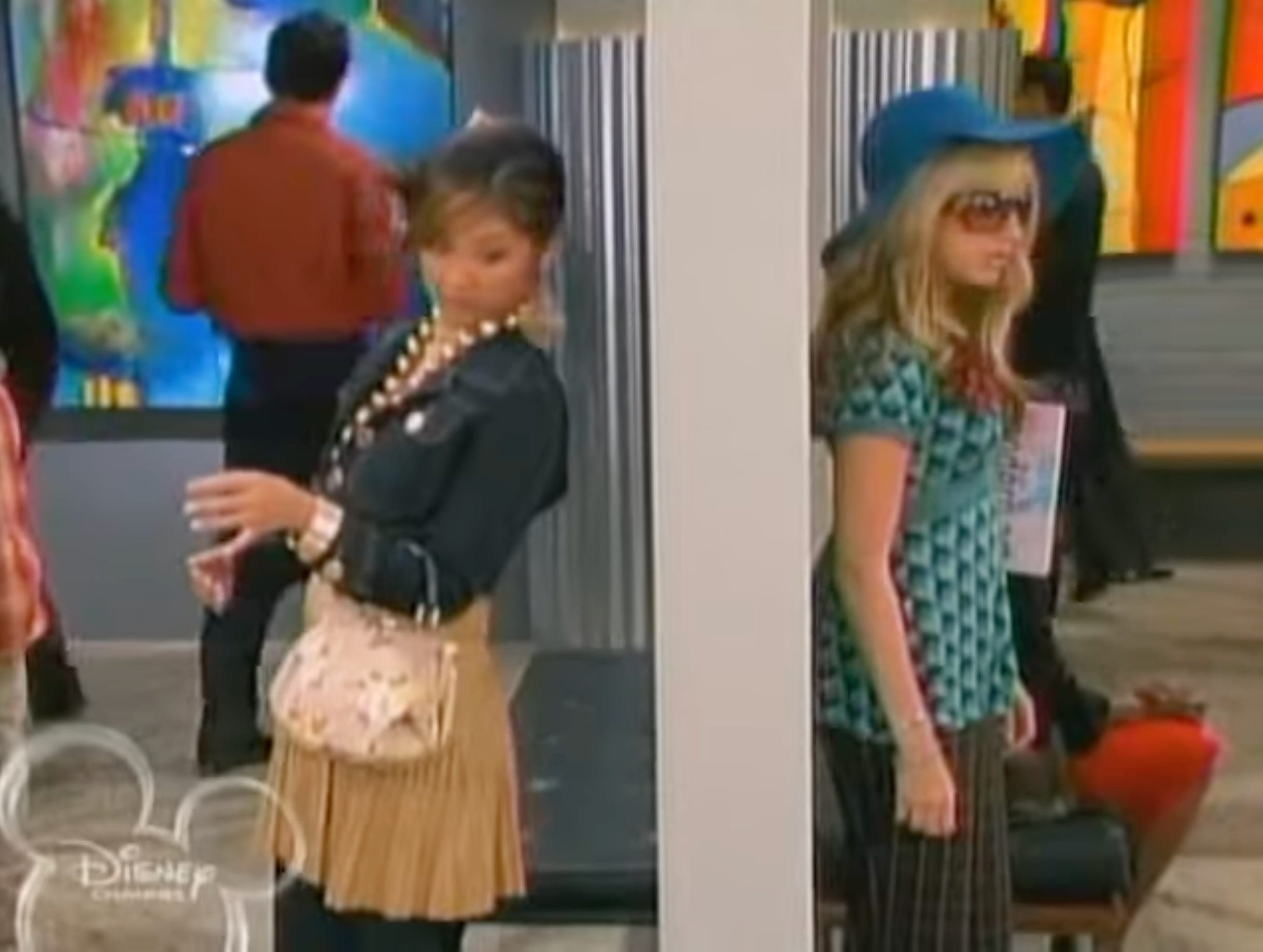
Well, ChatGPT has become our Maddies and Morgans. But, instead of one person posing as another, 800 million active users are regurgitating the same take from one chatbot.
Nietzsche once famously said: “there are no facts, only interpretations.”
If truth is relative to interpretation and everyone’s opinion comes from the same source (ChatGPT), trained mostly on one body of data (Reddit/Wikipedia), could an ‘absolute truth’ eventually emerge? When everyone believes the same thing (dictated by OpenAI), the concept of ‘consensus’ is given a literal form.
Be an idiot! Set yourself free!
American transcendentalist philosopher Ralph Waldo Emerson, in his famous 1841 essay on self-reliance, warns against consensus.
“Imitation is suicide,” Emerson says, “a foolish consistency is the hobgoblin of little minds, adored by little statesmen and philosophers and divines.” He frames consensus as conformity, critiquing the ease of hiding behind an agreed-upon position rather than trusting thyself.

Of course, this position isn’t exactly foreign. The modern obsession with ‘hot takes,’ contrarianism, and being ‘pick me’ seem to embody Emerson’s push against the socially-agreed-upon norm. But the elegance of AI chatbots have made it easy for us to tap into pre-approved subcultures. There’s now a clear ‘counter-cultural’ take and being ‘against the current’ is defined the same way as ‘the current.’
Idiocy, following our out-dated conception of intellectualism, is therefore defined as NOT being in the know. An idiot, someone blissfully unaware of what a Dua Lipa is, is more capable of tapping into what Emerson describes as their “aboriginal self.”
Enter the opportunity to be truly original, at the potential expense of seeming dumb.
Side note: on the topic of trusting your gut, librarian Hana Lee Goldin, MLIS wrote a fabulous take on spotting AI hallucinations like a reference librarian.
Friction of the mind
New York Magazine declared 2026 as the year of friction. But beyond chaining phones to walls (sorry) and downloading Opal, perhaps adding friction to the way we think is important too. Who said playing dumb was bad? Force people to make their case!
Being so-called stupid in 2026 is brave. Ignorance may be bliss, but what about idiocy? Maybe this was my Gen-Z paraphrasing of Plato’s “I know that I know nothing.”

Hello! If you’ve made it this far — thank you for joining me on my neo-luddite pilgrimage. If you’d like to support some of my more rogue ventures in cyber celibacy (typewriters, building a printing press… more to come), upgrade to paid! You’ll find treats sprinkled in your inbox <3
Sorry! You know who you are and I owe you my life <3
I will concede that chatbots do help in a majority of cases for accessing information — conditional on our own fact-checking/critical review.
In my defense, the person in question was an english major.
More to come about my takes on Gen-Z’s obsession with rhetorical questions
In case my tone of sarcasm isn’t clear enough here, I am joking.
Completely forgot about Wolfram Alpha until now -- thank you for digging into that forgotten part of my brain! Loved reading this.
I'm the only person I know who has tried to be critical over technology use, information intake and, especially, social media and algorithms (not saying this to show off). So I've commonly had interactions in which people mention celebrities, memes or "super important" news that I'm unaware of. They get baffled! "How do you not know this?", "how do you stay informed?", "*cue awkward laughing after someone doesn't get a joke*". Truth be told, I don't feel like I'm missing anything. So what if I don't know a singer? So what if I I'm not following this politician's words every 5 seconds? But it's become such a norm that telling people of my choices is *almost* as exhausting as actually keeping up with the "news".