


I’m writing this having freshly raw-dogged an 8-hour bus ride. No music. No entertainment. Just thoughts. The first half of the challenge was voluntary, the second half… less so (my phone died). I felt great.

Vogue Business has declared unplugging a luxury and 2026 is (according to every legacy media outlet that’s published a take on flip phones) the year of analog. My entire feed is flooded with anti-tech proclamations. To be completely honest, I’m getting a little analog-fatigue — what does going offline actually mean? Beyond just a catchy headline (or a trend to report on), how does one actually go dark?
Several of you have emailed asking for details: what about our professional obligations? Where can we find out about happenings? How do we get our friends on board? To truly go off the grid, it seems, you need a sizable population willing to quit with you and a system that’ll accommodate you. A reverse network effect, almost.

So little over 75 days ago, to explore a more pragmatic approach to logging off, I pledged to (full challenge here):
Quit multi-tasking
Enforce hours for social media (9am-6pm)
Ban AI search, spend 15 minutes actively surfing the web
Spend 45 minutes being physically away from your phone
Read 10 pages of a book everyday
Log screen time every week
My sense was — since society is almost fully-digitized, renouncing tech in its entirety seems impractical (not to mention a gateway to relapse binges). Instead, establishing a routine that limits my consumption might help curb my appetite.
The 75 Hard Tech Challenge, I called it. I wanted to change my relationship with the tech I use everyday. I wanted to build tolerance to the doomscroll.
… so, did I or did I not, get so-called mentally ripped?
Before we jump straight to the sexy 6 hour to 30 minute screen time screenshot, let me just say: it feels easier to just chuck your phone, pull the plug, and just F-off.1 Quitting is easy, but it’s also temporary (when you’re the only one willing to take the leap, it’s almost impossible to circumvent the institutions built around the digital revolution: how else do you work? pay your bills?)
In just two and a half months, I found myself building booby traps for my phone, mending my clothes, and finding the experience of cleaning my apartment suspiciously ritualistic. Rewiring your habits is hard.
Mindful consumption is an egotistical pursuit
Part of my motivation behind this challenge was to learn how to once again conjure a sense of self-restraint. Much like how our bodies tell us when we’re full, could I develop a reflex that nudges me to log off? How do I listen to my body?

With my 75 hard, I learned that being intentional with my tech gets a little challenging when every user journey is constantly being optimized: our tech anticipates what we want instead of what we need. It gives us the illusion of choice and a gentle Nudge.2
Let’s not forget, the user experience industry is currently worth 11.57 billion US dollars. Some of the world’s brightest designers are tasked with creating experiences that help you navigate intuitively (most of this work is incredibly valuable — 911 dispatch software, safety protocols in nuclear power plants, cockpit controls, etc.).
Thinking that I could defy the institution of user experience just by my own volition is textbook Pick-Me. Being critical of my every move online is an uphill battle! Queue the emerging anti-tech market of Bricks, Dumbphones, and celibacy pledges (me, lol).

What Meta doesn’t know is that my desire to lie in bed supersedes my need to doomscroll when I wake up. Getting up and walking to my living room was too much to for a scroll. Mindful consumption isn’t hopeless. We just need to get creative.
The opportunity cost of catching up
Everyday, at 6pm, my phone goes dumb, and losing track of that cut-off was my best progress indicator.
When I first started my 75 hard, a shower of anxiety would come over me between 5 and 6pm. As I inched closer to my 6pm cut-off each day, I felt a need to get caught up (and maximize the last few minutes of scroll-time I had). But I soon realized: nothing online is chronological, what difference does it make if I saw this tomorrow?

On days where I felt a real need to ‘be online’ (I’m only human), I would designate singular scroll-blocks where, like eating an entire bag of candy, the experience of binging the internet made me feel ill. Self-imposed negative reinforcement?
Eventually, I started separating things I do each day from my time spent online. Spending an hour at the bookstore was no longer what I did instead of doomscrolling, it was just something I did that day.
I fell in love with zoning out
TikTok has long been a way to turn my brain off. Who knew staring into the distance could do a better job?
Ajahn Chah’s book on meditation in the Thai Forest Tradition, A Still Forest Pool, describes letting awareness flow naturally rather than forcing concentration. Like planting a stick in a river, Chah’s formulation pushes us to merely observe (and not act) on thoughts that emerge. It’s freeing, letting my flurry of thoughts wash over me.
Zoning out, Gen-Z’s mutation of meditation, does a similar trick. In the absence of stimulation, my temporary lapses in consciousness let my fragmented and (mostly) trivial thoughts pass through.

Instead of offsetting burn-out with rot, I learned to decompress by letting myself… be.
Watching translated films helped me focus
Television has always been my vice. Putting something on in the background is second nature. But since banning multi-tasking, I find that turning anything on while doing my dishes feels overstimulating — I’m missing the plot! I’m sick of rewinding for context! It’s honestly more stressful to code switch than to do things one by one.
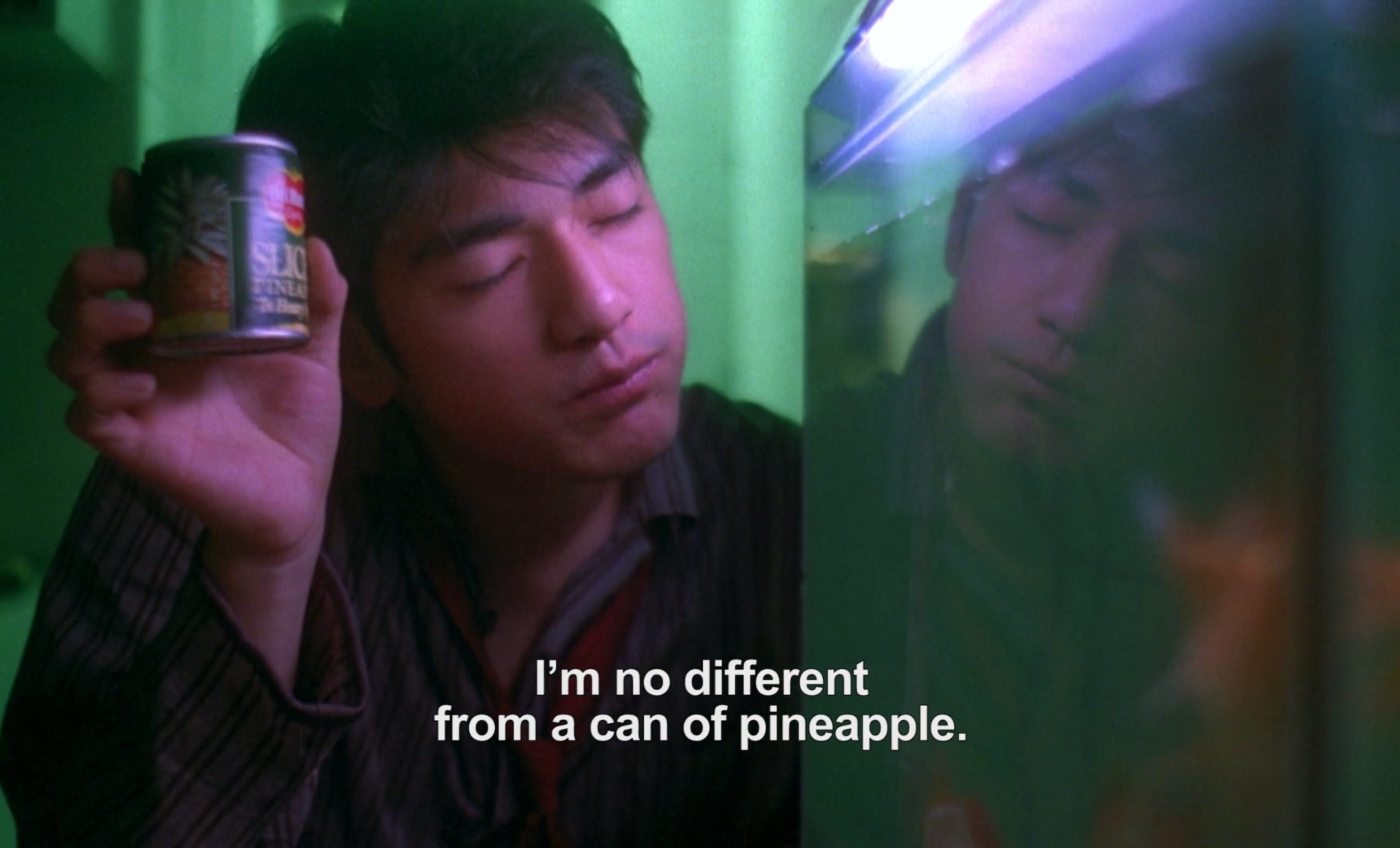
Non-english speaking films became my crutch. They required my undivided attention and reminded me how joyful watching a film from start to finish could be. I’ve long wondered why walking out of a movie theatre always feels a little magical. Maybe it’s because everyone is paying attention to the same thing, at the same time. Crazy!
My wallet LOVED this challenge
I’ve always thought I resisted Instagram ads and sponsored posts, but I never realized how much my constant exposure to content (I am, unfortunately, a sucker for a good haul video) sends me down rabbit holes on TheRealReal.
… I didn’t realize I don’t own grey pants. I’m beginning to feel like I need that Chopova Lowena skirt. I need that brown jacket to complete this Pinterest outfit.
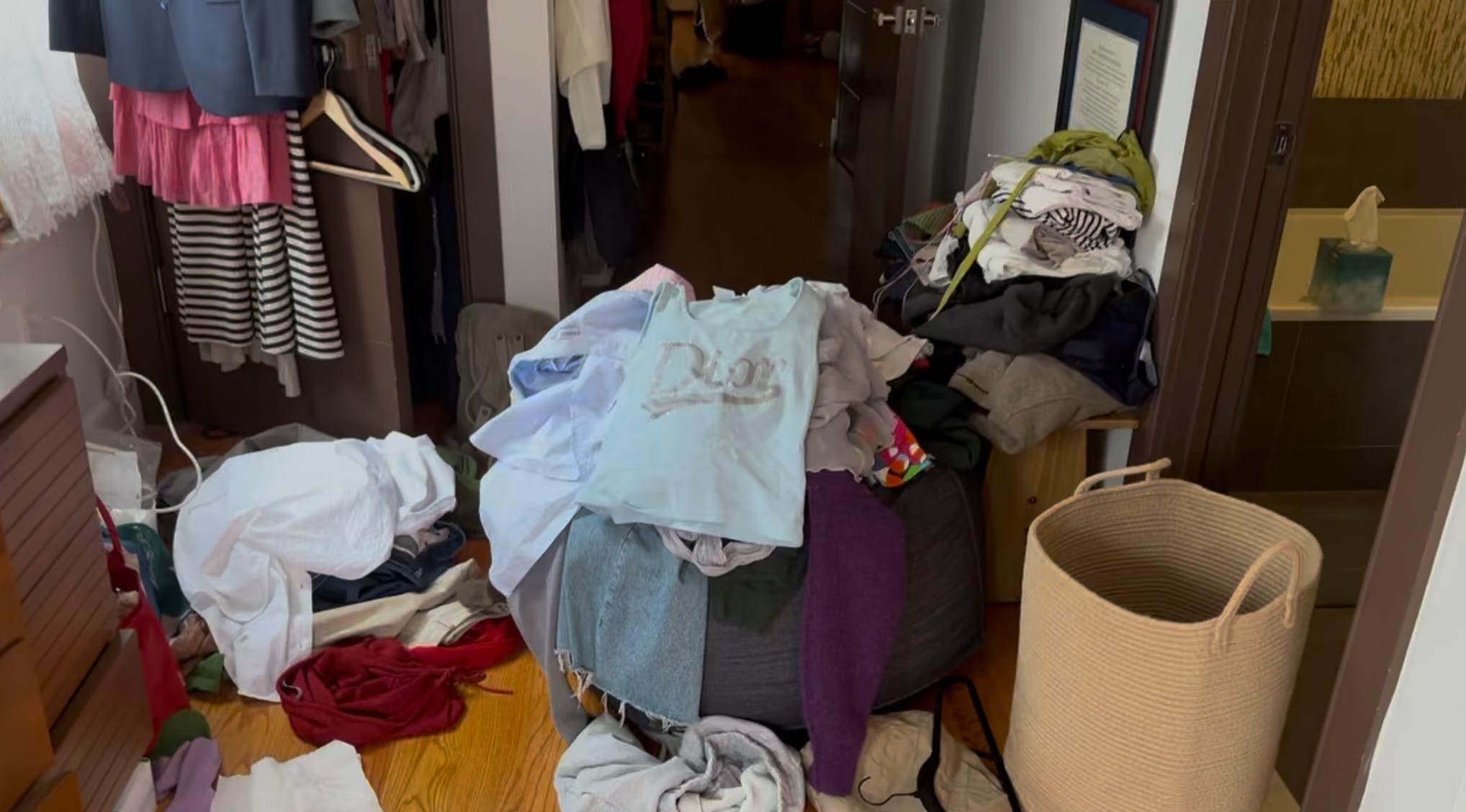
Earlier this year I did a 3-month no-buy (that I struggled with). But as 2025 came to a close, I realized being offline muted my need to shop. Because I wasn’t being shown all the things I could own or made to feel that I was lesser-than, the sublime rush of purchasing something online minutes after seeing it started to dull.
Everything is an ad now. If we’re not being sold on a product, a lifestyle is being marketed to us. Spending less time online made me more content with my life.
Reclaim your tech. Don’t quit it.
Blaming the digital revolution of the 21st century seems like a cop out, but I feel there’s value in moderation. Not all tech is bad. The trick is learning how to use technology effectively and healthily.
The 75 hard tech challenge instilled in me something of a sixth sense. It helped me get used to a new cadence of consumption and normalized under stimulation. I got used to leaving my phone at home when I ran errands or saw friends. I stopped feeling anxious whenever I found myself with idle, silent time. After just a few uncomfortable days, I started experiencing a form of clarity that I only recall from childhood.


Reclaiming technology and thinking critically about our use of it, helps us protect our peace in an increasingly digitized world. When we can’t escape institutions forcing us to stay online, we can create our own boundaries.
The closer you get to understanding your tech, the more its magic melts away.
Give this a go! Modify it for your needs!
*** There’s a lot more to be said about quitting AI, spending time outside etc., but Substack is cutting me off (email length). Let me know if you’d like a follow up post and I can dive deeper :’)
Hello! If you’ve made it this far — thank you for joining me on my neo-luddite pilgrimage. If you’d like to support some of my more rogue ventures in cyber celibacy (typewriters, building a printing press… more to come), upgrade to paid! You’ll find treats sprinkled in your inbox <3
Let me know if y’all are cool with me using profanity <3
Loved this! Also re footnote 1: yes definitely <3
"TikTok has long been a way to turn my brain off. Who knew staring into the distance could do a better job?" — this is too real! one of my most successful tech habits been no tiktok before bed, and i've felt a shocking shift: random idea bursts before sleep and less anxious dreams!